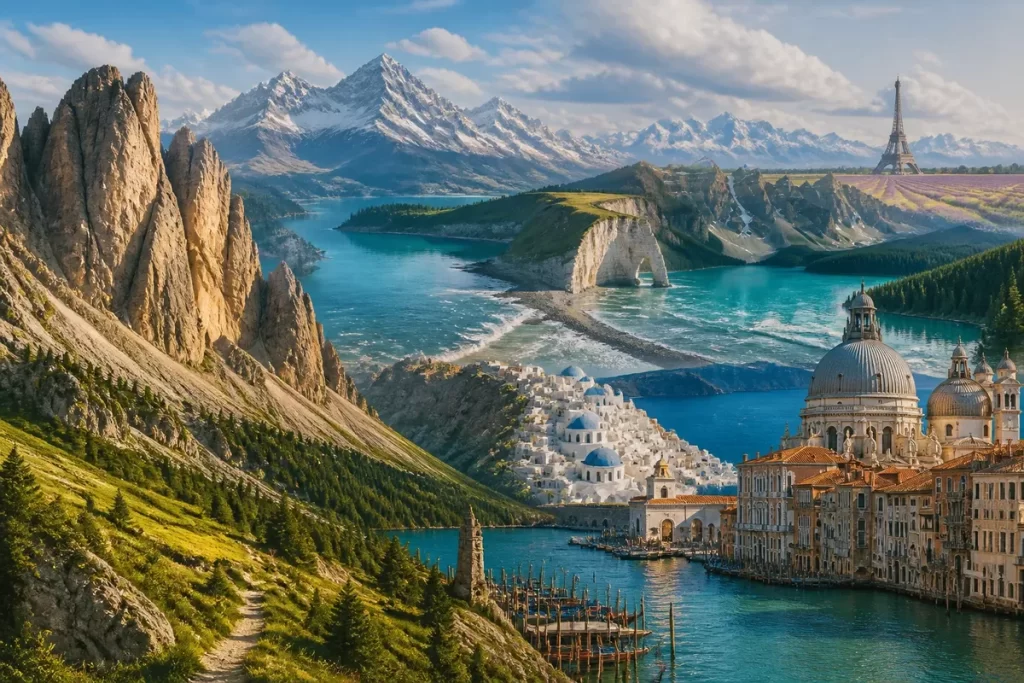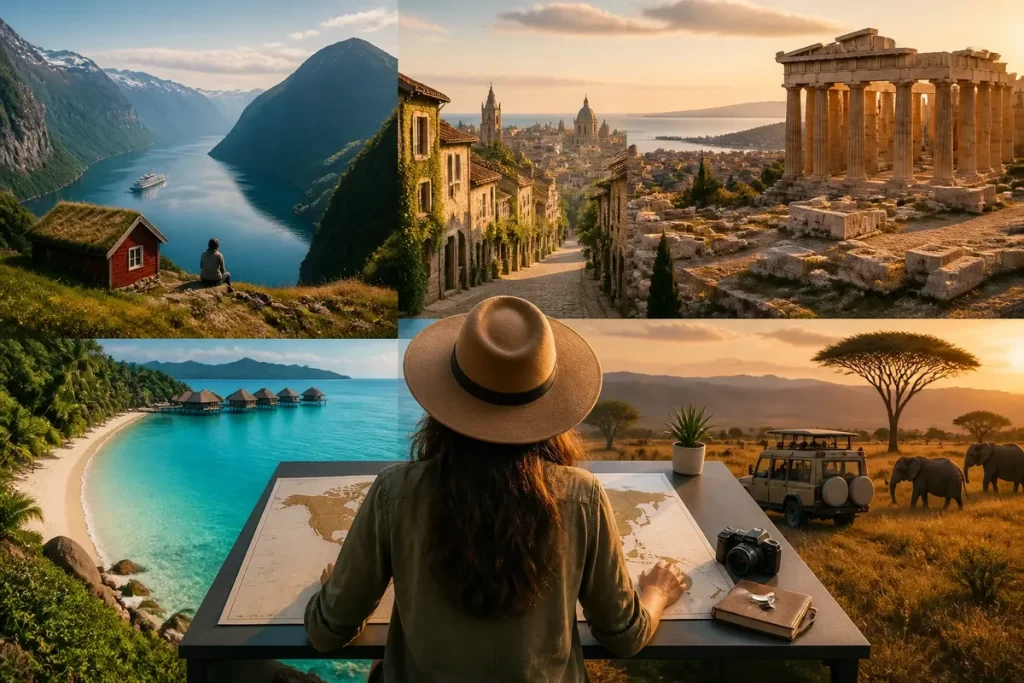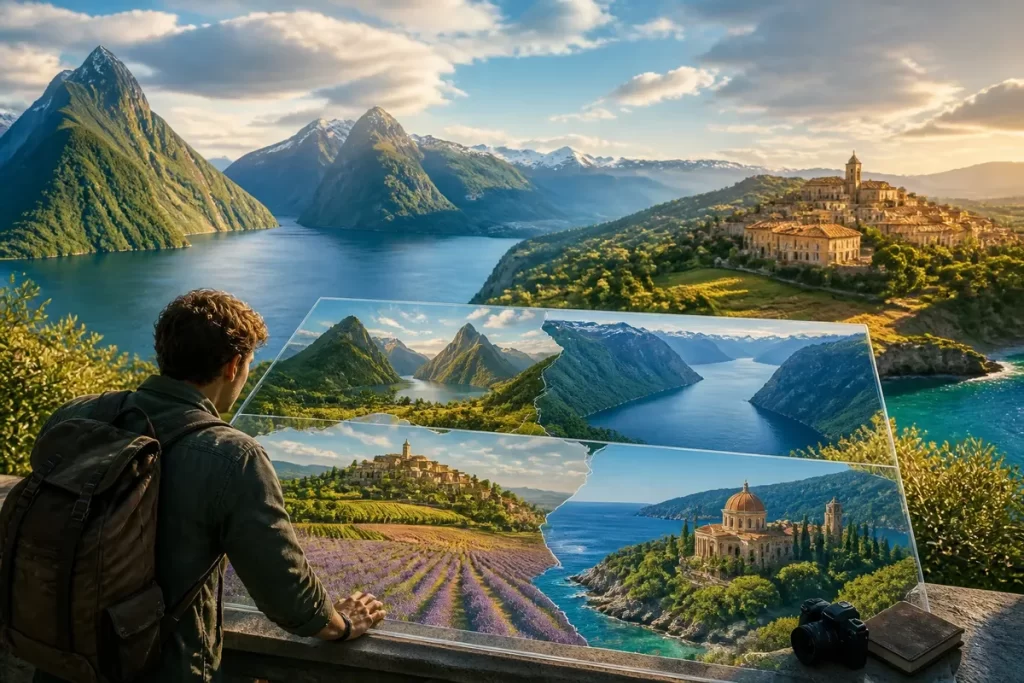
There is no country objectively recognized as the most beautiful in the world: the result depends on the criteria used. In the data analyzed, New Zealand, Norway, France, and Italy most often stand out, but according to different methods.

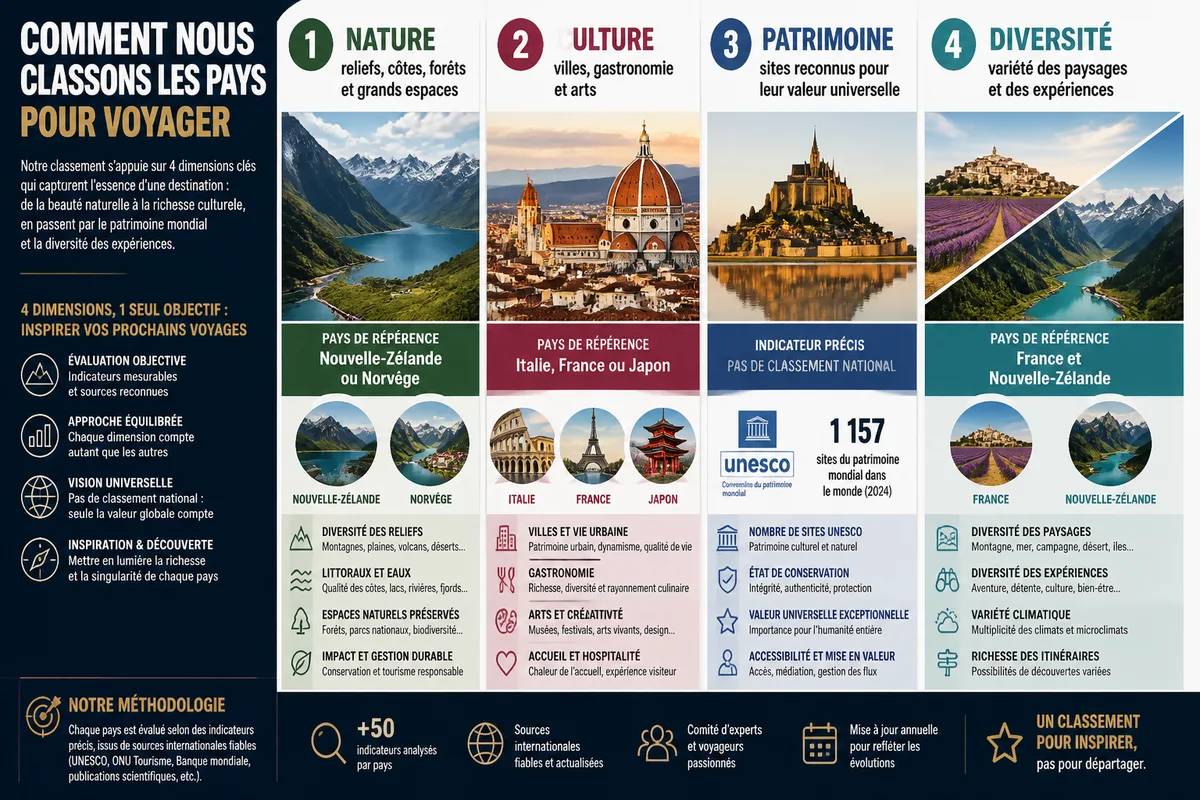
A traveler looking for fjords will not rank countries the same way as someone who prioritizes historic cities, beaches, or gastronomy. To compare honestly, it is therefore necessary to separate nature, culture, heritage, and diversity of experiences, then look at what each method actually measures.
| 📌 | Key Point |
|---|---|
| 🌍 | Universal winner: no country is the subject of an objective global ranking of beauty. |
| 🏔️ | Spectacular nature: New Zealand and Norway are very strong for reliefs, coasts, and wide open spaces. |
| 🏛️ | Heritage: France and Italy win in historical, architectural, and artistic density. |
| 🗺️ | Diversity: France combines coastlines, mountains, cities, villages, and rural landscapes within the same territory. |
| 📊 | Rankings: a traveler survey, an editorial ranking, and a heritage indicator do not give the same result. |
| 🎒 | Practical choice: the best country also depends on the season, available time, budget, and type of trip. |
Why no country can be objectively declared the most beautiful in the world
The beauty of a country combines landscapes, atmosphere, cities, culture, and a way of traveling that cannot be summed up in a single score. One country may impress with an exceptional site while another seduces more by the richness spread throughout its territory.
The word “beautiful” hides several expectations. Some travelers seek almost untouched nature. Others want to walk through ancient cities, eat locally, or change ambiance several times during the same itinerary.
A serious ranking must therefore state what it measures before naming a winner. A survey asks for an opinion. An editorial ranking adds up impressions. UNESCO evaluates properties presenting exceptional universal value, not the general beauty of a state.
The UNESCO Convention distinguishes cultural heritage and natural heritage. Its criteria do not form a national aesthetic score: six criteria concern culture and four nature, for a total of ten criteria, numbered (i) to (x).
An inscription can thus recognize a monument, an architectural ensemble, a cultural site, a natural formation, or a remarkable landscape. It does not allow concluding that an entire country is more beautiful than all others.
- Natural beauty: reliefs, coastlines, forests, deserts, lakes, volcanoes, and biodiversity.
- Cultural beauty: architecture, arts, traditions, cuisine, languages, and lifestyles.
- Heritage beauty: sites recognized for their historical or universal importance.
- Experienced beauty: quality of itineraries, accessibility, travel pace, and encounters.
The season also changes the verdict. Norway under continuous rain, Iceland swept by wind, or the Alps during a foggy period do not produce the same impression as a photograph taken under ideal conditions.
On site, the region visited matters as much as the name of the country. Comparing the Norwegian fjords with a large Italian metropolis is like opposing two forms of beauty, not two destinations placed on the same scale.
What criteria really distinguish the most frequently mentioned countries?
The most convincing countries generally combine several forms of beauty, but the weighting changes everything. If nature weighs heavily, New Zealand or Norway advance; if heritage, cuisine, and cities matter equally, France or Italy become hard to dismiss.
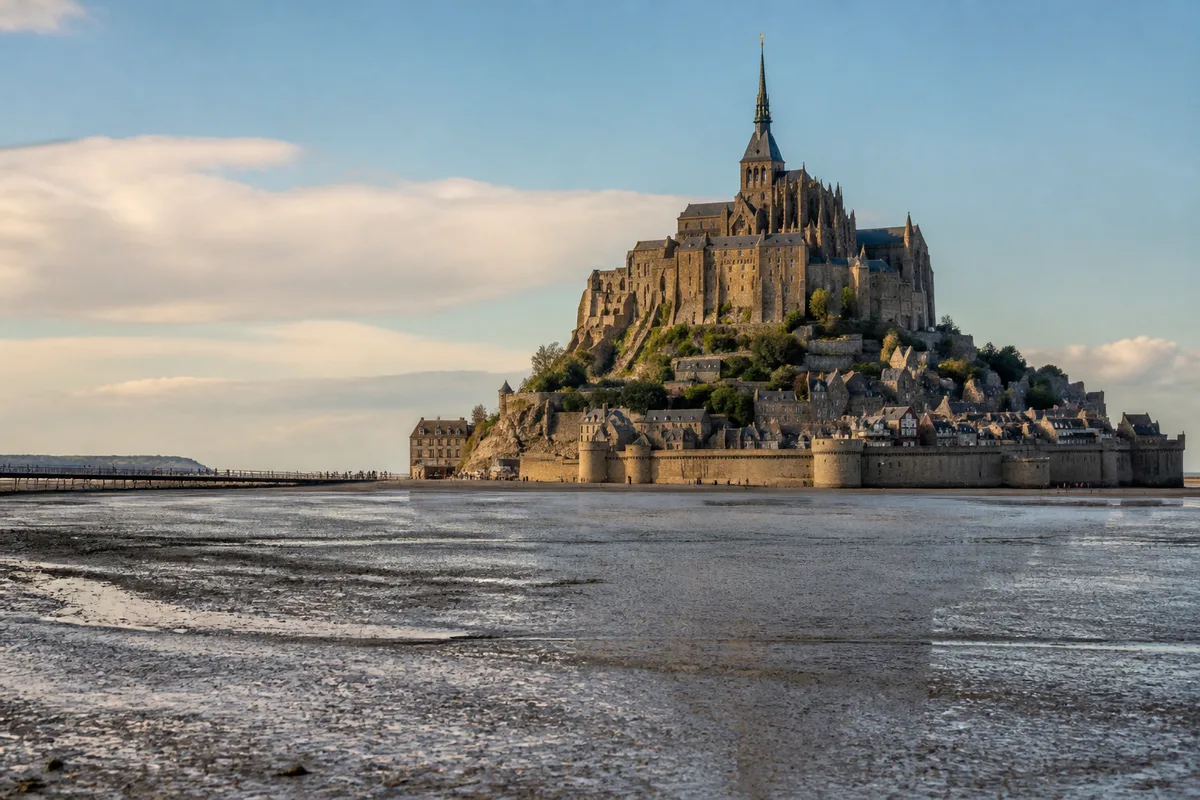
The first measure is the diversity of landscapes. A territory that includes mountains, coasts, forests, plains, and arid zones offers more variations during the same trip.
Concentration also matters. New Zealand allows you to chain volcanoes, lakes, beaches, glaciers, and alpine reliefs without crossing an entire continent, even if road distances remain significant and some stages require several hours of driving.
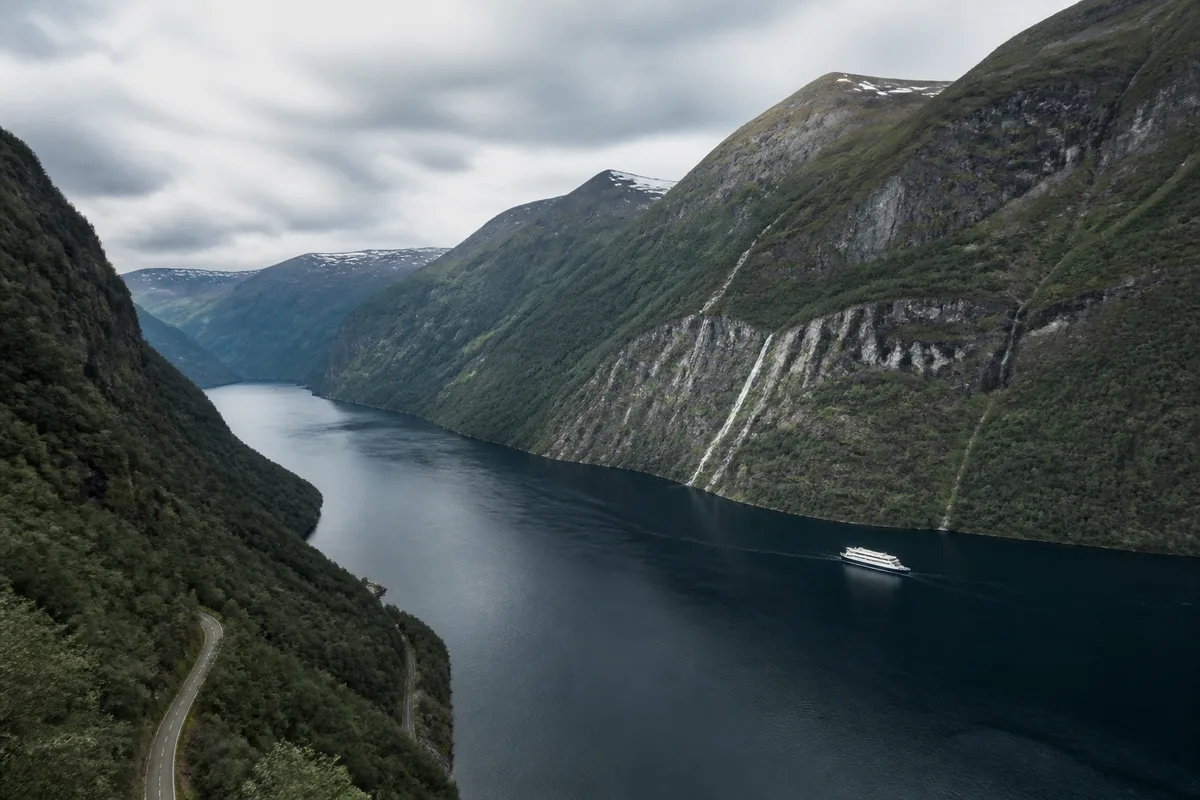
Norway has a different advantage: its fjords, mountains, and scenic roads compose a very strong landscape identity. However, traveling there requires taking into account the climate, ferries, terrain, and often a high budget.
The second criterion: heritage. Italy impresses with the density of its historic cities, its works, and its inhabited landscapes. France adds castles, villages, coastlines, mountain ranges, and terroirs very different from one region to another.
The number of classified sites is never enough to measure the beauty of a country. It indicates a heritage recognition of specific assets, with defined criteria, and not a complete travel experience.
The third criterion: harmony between the elements. A panorama can be spectacular, but the experience becomes stronger when villages, roads, cities, and natural spaces form a readable whole.
Finally, the beauty experienced depends on how the trip unfolds. An itinerary that is too ambitious turns a remarkable landscape into a simple photo stop. With ten days, it is better to explore a coherent region than to multiply borders and lose hours in transport.
Which countries come up most often among the answers?
New Zealand, Norway, France, and Italy come up regularly because they have a strong visual identity and several travel arguments. Canada, Iceland, Japan, Namibia, and Costa Rica also appear when nature, change of scenery, or biodiversity weigh more heavily.
New Zealand: the most balanced candidate for nature
New Zealand is a particularly defensible answer for those seeking varied landscapes, spectacular nature, and a coherent adventure itinerary. The two islands allow combining volcanic reliefs, coasts, lakes, temperate forests, and alpine landscapes.
Its main asset is concentrated variety. However, the apparent compactness of the country is deceptive: the roads are winding, the stages can be long, and the crossing between the two islands takes time.
On site, a traveler with less than two weeks must choose between the North Island and the South Island. To enjoy both, one must accept a faster pace and include transport schedules in the calculation of stages.

Norway: the fjords and the wild nature
Norway dominates the responses based on fjords, mountains, and wide open spaces. Its beauty is less scattered across a multitude of styles: it rests on a powerful landscape signature, particularly visible in the west of the country and the Arctic north.
The downside is practical. Distances, ferries, weather, and accommodation prices can reduce the margin for a budget traveler.
Yet, a well-focused itinerary around a few fjords offers more than an overly ambitious national route. Norway suits travelers here who accept paying more to walk, admire, and slow down.

France: regional diversity and heritage
France is a very strong candidate when beauty includes monuments, cities, villages, cuisine, coastlines, and reliefs. Its advantage is not a unique landscape: it is the possibility to change worlds without leaving the same country.
An itinerary can link the Atlantic coasts, the Loire castles, the Alps, Mediterranean villages, or the volcanic landscapes of Auvergne. This richness makes France very strong in a general ranking.
The trap is to reduce the country to Paris and a few famous monuments. On site, the experience changes radically between a big city, a tourist village in high season, and a less frequented rural region.
To deepen this comparison, the dossier on France and its competitors allows distinguishing the heritage prestige from the real diversity of an itinerary.

Italy: Cultural Density and Inhabited Beauty
Italy stands out as soon as the traveler associates beauty, history, architecture, gastronomy, and inhabited landscapes. Rome, Florence, Venice, the villages, lakes, the Dolomites, and the coasts offer very different experiences within a relatively accessible territory.
Its strength lies in density. A single day can combine an ancient city, a regional meal, and a remarkable landscape, giving a cultural depth absent from a ranking limited to panoramas.
The downside is the crowding of certain sites. The schedule, reservations, and choice of neighborhood strongly influence comfort, especially during peak demand periods.

derivative work: Ankara (talk) / Wikimedia Commons
What is the Most Beautiful Country According to the Type of Travel?
| Travel Profile | Country to Favor | Why | Limit to Accept |
|---|---|---|---|
| Grand landscapes and hiking | New Zealand, Norway, Canada | Reliefs, lakes, coasts, and vast spaces | Distances, weather, and budget |
| Heritage and cities | Italy, France, Japan | Architecture, history, cuisine, and local identity | Crowds at major sites |
| Strong change of scenery | Namibia, Bhutan, Jordan | Very unique environments, cultures, and atmospheres | Transport or access sometimes more complex |
| Tropical nature | Costa Rica, Mozambique | Fauna, coastlines, forests, and warm climate | Wet season, heat, and regional variations |
| Varied beauty on the same trip | France, New Zealand, Japan | Several worlds in a coherent itinerary | You have to select a region or a route |
For Natural Landscapes
Choose New Zealand if you want to multiply natural environments during an active itinerary, and Norway if fjords, reliefs, and the impression of wild space take precedence over cultural variety.
Iceland completes this group with its volcanoes, glaciers, dark beaches, and geothermal springs. It offers a high concentration of landscapes, but the wind, roads, and weather changes require real flexibility.
Canada plays another card: vastness. It can impress more by the depth of its spaces than by the ease of connecting them, as distances quickly become the dominant factor of the trip.
For Heritage and Culture
Italy is the most obvious choice for a trip focused on art history, ancient cities, and gastronomy. France wins in regional variety, while Japan combines heritage, urban design, daily practices, and seasonal landscapes.
World heritage helps identify important places, not automatically choose a country. A UNESCO inscription refers to a specific site and specific criteria.
Culture is also discovered outside monuments. On site, a market, a regional journey, or a family meal can change the impression of a country more than a quick visit to a very famous site.
For a change of scenery and uniqueness
Namibia captivates with its deserts and contrasts, Costa Rica with its emphasis on nature and wildlife, while Japan offers a stronger cultural break for many European travelers.
Morocco and Jordan can also stand out thanks to a visually and historically immediately recognizable identity. They do not aim to resemble a landscape catalog: their appeal comes from the combination of environments, cities, architecture, and local customs.
A broader selection is useful if you are looking for a specific destination rather than an abstract winner: this list of the most beautiful countries in the world to discover allows you to extend the comparison by travel styles.
Why do rankings not all give the same result?
Rankings differ because they do not ask the same question. A survey measures a declared preference of travelers who have visited certain countries, an editorial ranking applies the criteria of an editorial team, while a list focused on nature favors landscapes and protected areas.
A traveler survey
A survey may ask participants to name their favorite destinations or to rank the countries they have visited. Its result describes a perception, with biases related to the profile of respondents, the itineraries taken, and the most memorable experiences.
A traveler who has mostly explored natural regions will not respond the same way as a person who favored capitals and museums. The percentage obtained does not become a universal measure of beauty.
An editorial ranking
An editorial ranking is based on a selection of criteria, even when these are not precisely weighted. It can highlight the diversity of landscapes, the number of remarkable places, ease of travel, or cultural richness.
France can therefore come first in a general ranking and fall out of the top group in a selection dedicated to wild landscapes. Both results describe different scopes.
Never compare two ranks without reading their methodology. This is the most common mistake.
The limits of heritage and tourism data
A number of classified sites, a tourism rank, or a percentage from a survey must be dated and attributed. Without year, method, and scope, the figure gives an impression of precision it does not deserve.
For UNESCO, the reference source remains the World Heritage Convention and associated guidelines. They explain the categories of properties and the criteria for inscription, without establishing a ranking of the most beautiful countries.
The media also influence the hierarchy. A highly photographed country, featured in films or easy to identify, receives more visibility than a less publicized territory, even when the landscape richness is comparable.
Cultural biases affect preferences. Familiar architecture may seem more immediately beautiful, while a very different landscape requires more context to be understood and appreciated.
Our verdict: which country to choose according to the beauty sought?
New Zealand is particularly suitable for a traveler who is willing to drive, spend several weeks in the country, and deal with changing weather. It loses its appeal when the available time is very short or when urban heritage is the priority.
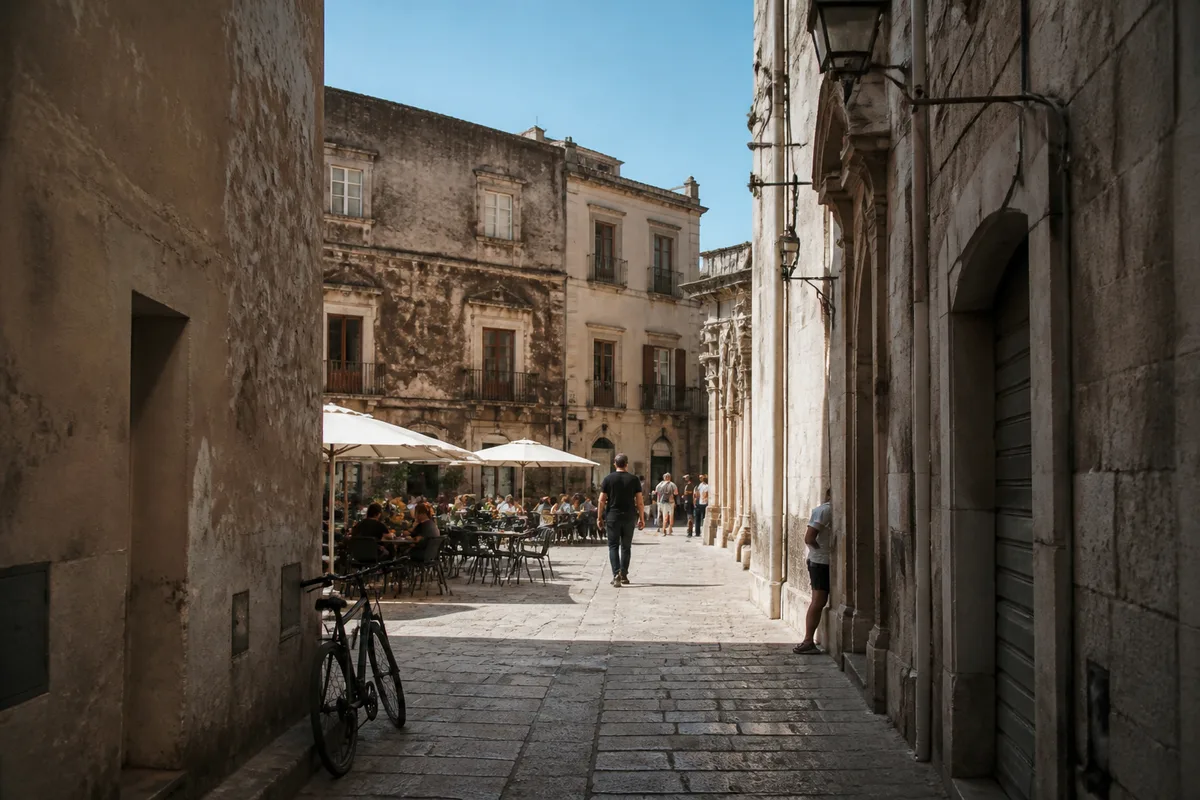
The season must still refine this verdict. New Zealand is explored differently depending on the island and the period; Norwegian fjords are not experienced like Italian cities, and France changes completely between a summer coastline and an off-season mountain region.
The actual cost also matters. A spectacular country but too expensive for your budget reduces nights, activities, and the margin for unforeseen events. With the same budget, a French or Italian itinerary can offer more time on site than a long circuit in Norway or New Zealand.
Finally, beauty is not always concentrated in a famous place. An exceptional landscape sometimes deserves a whole day, a detour, or a hike, whereas an itinerary that is too dense turns the trip into a photo collection.
To compare destinations based on other profiles, you can also consult the most beautiful countries according to travelers, always checking the method used and the date of the data.