120 countries make up this selection of the most beautiful countries in the world to visit in 2026, with a simple criterion: combining landscapes, heritage, living cultures, and experiences truly accessible to travelers. The ranking is editorial, not a universal truth, as a trekker will not rank Norway the same as a tropical beach lover.

To choose without turning an inspiring list into an unfeasible itinerary, each destination is linked to a specific attraction, a travel style, and a terrain constraint. States are counted separately from territories and archipelagos, while entry conditions, season, and safety alerts must be rechecked before any booking in 2026.
| 📌 | Scope | 120 sovereign states are ranked; particular territories and archipelagos are not artificially added. |
|---|---|---|
| 🌄 | Main criterion | Landscapes, heritage, biodiversity, culture, and variety of experiences on site. |
| 🧭 | Reading the ranking | The rank indicates an editorial priority, not a scientific measure of beauty. |
| 🏖️ | Beaches and islands | Marine destinations are compared with season, access, and ecosystem fragility. |
| 🥾 | Adventure | Hiking, safari, wide open spaces, and demanding routes hold an important place. |
| 🛂 | Preparation 2026 | Entry, security, health, weather, and transport must be checked with competent authorities. |
How were the 120 countries selected?
The selection favors countries capable of offering several strong experiences rather than a single photographed monument. A country that combines nature, culture, and a coherent itinerary rises in the list, even if its access requires more time or preparation.

Beauty remains an editorial appreciation. The categories of cultural and natural heritage rely on the distinction of the 1972 UNESCO Convention, while landscapes without official classification are evaluated for their diversity and travel interest.
The rank is therefore not a score. A country spectacular for ten days can be a better choice than a more famous destination visited too quickly.
To compare honestly, I retained five criteria: variety of landscapes, cultural density, itinerary possibilities, uniqueness, and feasibility according to the season. The exact budget is not indicated for each country, as plane tickets, accommodations, and transport vary greatly depending on departure, comfort level, and period.
On site, beauty does not erase constraints. The distances in Canada, Australia, or Argentina impose a different pace than a trip in Slovenia or Portugal.
Countries with the Most Spectacular Natural Landscapes
For wide open spaces, Norway, Iceland, Switzerland, New Zealand, and Canada dominate this selection thanks to their mountains, glaciers, lakes, and rugged coastlines. Chile, Argentina, Bolivia, Peru, and Nepal add another scale, that of high plateaus, volcanoes, and peaks.
- Norway. Fjords, the Lofoten Islands, and scenic routes attract travelers willing to pay the Nordic price and cope with changing weather.
- Iceland. Volcanoes, waterfalls, black beaches, and glaciers follow one another on a compact island, with high visitor numbers around the ring road.
- Switzerland. The Alps, panoramic trains, and lakes make for a very accessible trip, provided you can afford a high budget.
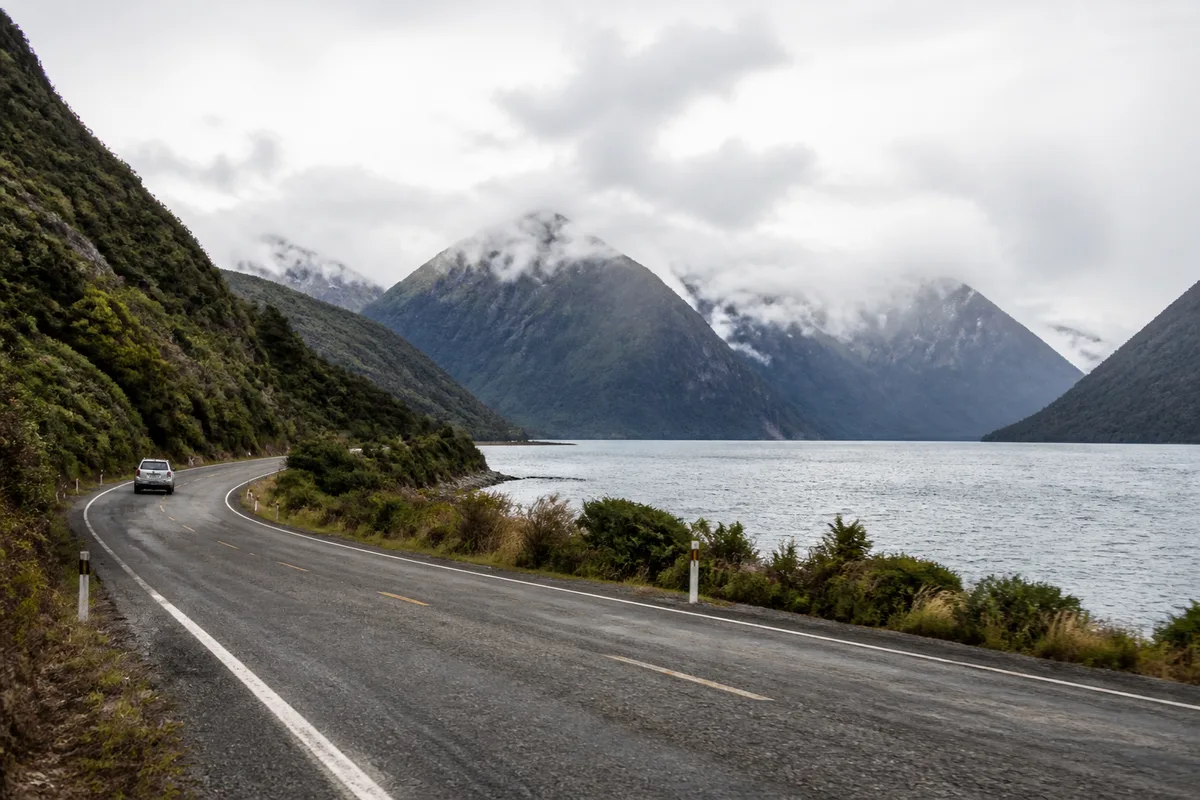
- New Zealand. The two islands combine fjords, volcanoes, beaches, and hikes; plan for a long duration due to distances.
- Canada. The Rockies, forests, lakes, and coasts give exceptional depth to itineraries, often better suited to a vehicle.
- Chile. From the Atacama Desert to Patagonia, the country offers immense contrasts, with long journeys between regions.
- Argentina. Buenos Aires, the Andes, glaciers, and Iguazú Falls justify a trip that can be adjusted according to the season.
- Bolivia. The Salar de Uyuni, the Altiplano, and colorful lagoons form a spectacular itinerary, demanding in altitude.
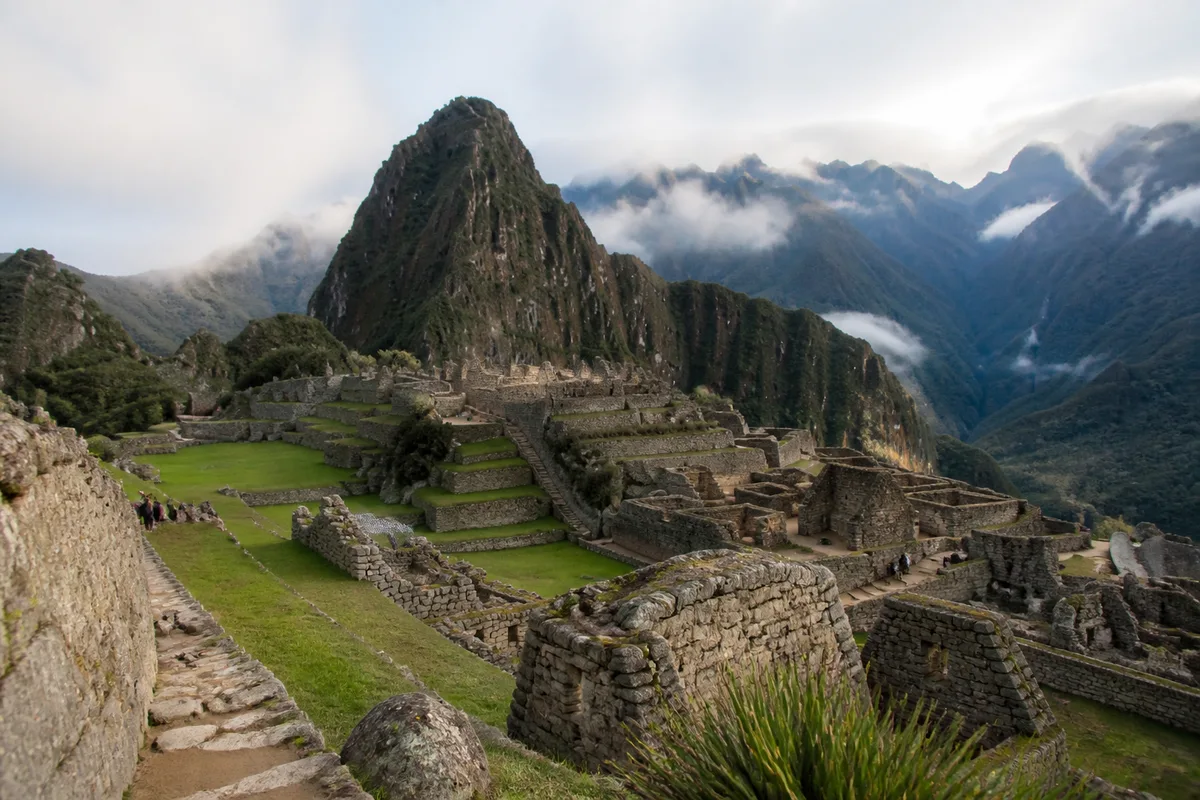
- Peru. Andes, Amazon, and Inca heritage compose a dense trip; Machu Picchu requires an organized reservation in high season.
- Nepal. Trekking, Himalayan villages, and temples attract hikers, with serious preparation needed for altitude and trail conditions.
- Bhutan. Monasteries, valleys, and the Himalayas give a strong identity to the trip, whose cost and formalities must be checked on the official portal.
- Georgia. Caucasus, vineyards, monasteries, and cuisine make the country particularly complete for a moderate budget.
- Armenia. The high plateaus, ancient churches, and volcanic landscapes suit cultural itineraries off the beaten track.
- Kyrgyzstan. High-altitude lakes, horses, and wild valleys make it an adventure destination, with sometimes slow transport.
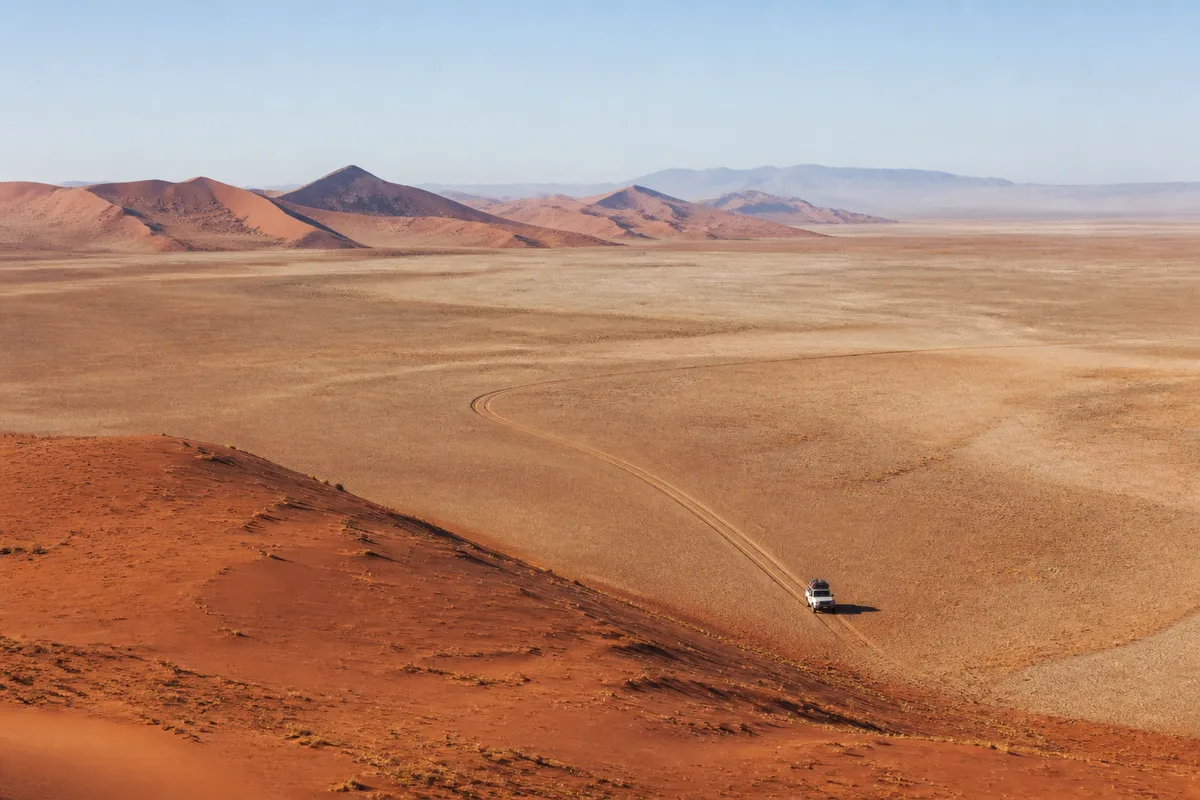
- Namibia. Dunes, desert, austere coasts, and wildlife are best explored with time, a reliable vehicle, and a safety margin.
- South Africa. The country combines coastline, mountains, vineyards, parks, and large cities, but organizing transport remains essential.
- Tanzania. Serengeti, Ngorongoro, and Kilimanjaro concentrate major experiences, with safari prices varying greatly depending on the camp.
- Madagascar. Baobabs, forests, high plateaus, and endemic wildlife create a unique trip, often slowed down by road conditions.
- Australia. Deserts, reefs, beaches, and cities require a regional itinerary; trying to see everything in a few weeks is a bad economy.
- United States. The parks of the West, Alaska, Hawaii, and the coasts justify several trips rather than a rushed circuit.
Photography does not always convey distances. Between Santiago and Chilean Patagonia, or between Toronto and the Rockies, transportation becomes part of the budget and travel time.

The richest countries in heritage and history
Italy, China, France, Japan, and Egypt stand out for the depth of their heritage, but travelers interested in history can also favor Georgia, Uzbekistan, Armenia, or Ethiopia, where the routes are more unique and sometimes less frequented.
- Italy. Rome, Florence, Venice, the villages, and Mediterranean landscapes justify several stays rather than a national race.
- Greece. Islands, ancient ruins, and mountains offer a balance between culture and sea; July and August require advance bookings.
- France. The diversity of coastlines, mountain ranges, cities, and terroirs explains its place on any global list, without reducing the trip to Paris.
- Spain. Andalusia, historic cities, islands, and coastal paths allow easy adaptation of the stay to the season.
- Portugal. Lisbon, Porto, the Algarve, wine valleys, and the Azores suit a first well-connected European trip.
- Japan. Temples, gardens, mountains, and metropolises form a very contrasting itinerary; blooming and autumn periods are particularly sought after.
- China. Beijing, Xi’an, Guilin, Yunnan, and the ancient water towns show a cultural depth that requires time.
- Egypt. The Nile, temples, tombs, and the Red Sea compose a powerful historical journey, with temperatures to consider in the schedule.
- Jordan. Petra, Wadi Rum, the Dead Sea, and ancient sites fit into a relatively compact circuit, often suitable for about ten days.
- Uzbekistan. Samarkand, Bukhara, and Khiva provide a concrete reading of caravan routes and monumental architectures.
- India. Rajasthan, Himalayas, Kerala, and major cities offer radically different experiences; a regional itinerary is more realistic.
- Sri Lanka. Temples, plantations, beaches, and wildlife parks allow a varied trip on a reasonably sized island.
- Cambodia. Angkor remains central, but Tonlé Sap, Phnom Penh, and the countryside add more depth to the stay.
- Vietnam. Ha Long Bay, imperial cities, rice fields, and gastronomy suit a budget-conscious itinerant trip.
- Mexico. Mesoamerican civilizations, colonial cities, cuisine, and coasts form a vast country to choose by region.
- Guatemala. Antigua, volcanoes, Lake Atitlán, and Tikal mix heritage and landscapes in a dense itinerary.
- Ethiopia. Lalibela, the highlands, and regional cultures attract experienced travelers; safety advice should be consulted before departure.
- Iran. Isfahan, Yazd, Shiraz, and desert landscapes constitute a remarkable heritage, subject to specific entry and security conditions.
- Turkey. Istanbul, Cappadocia, Aegean coast, and Anatolia allow combining cities, history, and terrain.
- Israel. Jerusalem, Galilee, the desert, and the coastline form a dense cultural ensemble; official alerts take precedence over any tourist recommendation.
To deepen the comparison between cultural heritage, nature, and personal preference, also consult the most beautiful countries in the world, which answers a more focused question.

The Most Beautiful Countries for Beaches, Islands, and Coastlines
The Seychelles, Mauritius, the Maldives, Indonesia, and the Philippines are suited for travelers who place the sea at the center of their trip. Thailand, Malaysia, Fiji, Palau, and Vanuatu add opportunities for diving, sailing, or island exploration.
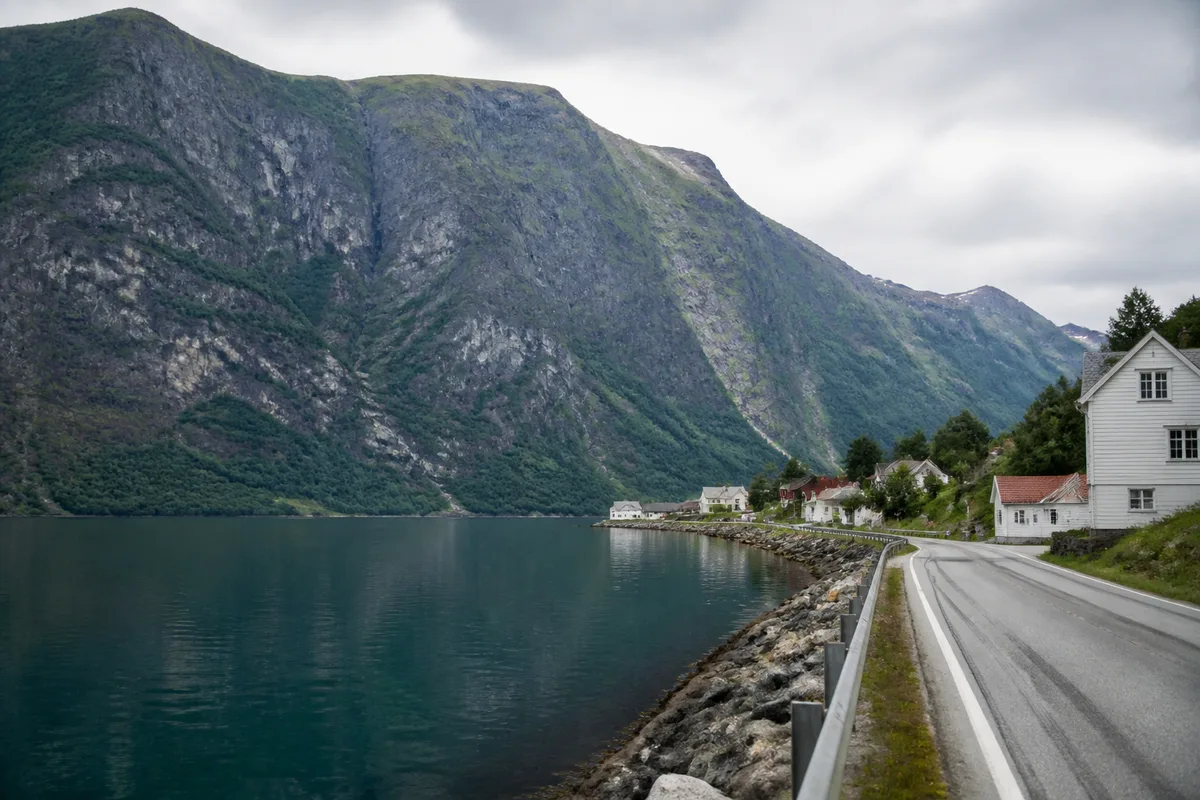
- Seychelles. Granite beaches, forests, and marine life create an island journey, generally with a budget higher than that of continental Asia.
- Mauritius. Lagoons, mountains, villages, and Creole cuisine allow for more than just a simple beach holiday.
- Maldives. The atolls mainly appeal to diving enthusiasts and those seeking rest, with arrangements highly dependent on the type of accommodation chosen.
- Indonesia. Bali, Java, Flores, Sulawesi, and Papua offer different experiences; limiting the country to Bali misses out on its essential diversity.
- Philippines. Palawan, Cebu, Siargao, and the Visayas charm with their islands, but connections multiply travel time.
- Thailand. Islands, beaches, cuisine, and cities make the country easy to combine, despite the heavy traffic in some areas.
- Malaysia. Borneo, the islands, Kuala Lumpur, and national parks balance urban comfort and nature.
- Fiji. Lagoons, villages, and diving offer a more cultural approach to the Pacific, with flights requiring careful budgeting.
- Palau. Clear waters and underwater landscapes target divers willing to accept a remote destination.
- Vanuatu. Volcanoes, villages, reefs, and beaches give an adventurous face to insular Pacific.
- Samoa. Waterfalls, volcanic coasts, and local traditions suit a slow-paced stay, far from large tourist complexes.
- Solomon Islands. Reefs, World War II history, and sparsely urbanized archipelagos make for a trip demanding in logistics.
- Belize. Reef, jungle, and Mayan heritage combine sea and culture in a small Central American country.
- Costa Rica. Forests, volcanoes, beaches, and wildlife make it a very complete destination; popular parks require preparation during the dry season.
- Panama. The canal, archipelagos, forests, and two maritime fronts allow for varied itineraries.
- Brazil. From Rio to the Amazon, from the Northeast to the Iguazu Falls, the challenge is to choose a region rather than trying to do everything.
- Colombia. Caribbean, Andes, colonial cities, and Amazon create an excellent balance between culture and nature.
- Ecuador. Andes, Amazon, coast, and Galápagos offer remarkable diversity in a relatively compact territory.
- Dominican Republic. Beaches, mountains, and historic cities allow going beyond beach formulas concentrated on a few resorts.
- Cuba. Havana, valleys, beaches, and small towns provide a unique cultural and maritime journey.
A beach alone is not enough to rank a country. The quality of access, the rainy season, tourist pressure, and the possibility of visiting several islands completely change the experience.


The best countries for safari, hiking, and adventure
Botswana, Kenya, Uganda, Rwanda, and Zambia are among the strongest choices for wildlife observation and exploring protected areas. Zimbabwe, Mozambique, Gabon, Ghana, and Senegal complete this group with different ecosystems and levels of development.

- Botswana. The Okavango Delta, Chobe, and desert areas offer a high-end wildlife immersion, to be planned according to water levels and migrations.
- Kenya. The savannah, highlands, and coast allow combining safari and ocean, with a wide range of prices.
- Uganda. Gorillas, forests, and lakes make it an intense nature destination, requiring permits and advance organization.
- Rwanda. Volcanoes, forests, and primate watching are part of a compact country, with formalities and fees to check before departure.
- Zambia. Walking safaris, the Zambezi River, and Victoria Falls favor a more adventurous approach to African parks.
- Zimbabwe. Hwange, Mana Pools, and Victoria Falls offer a great diversity of landscapes and wildlife observation.
- Mozambique. Coastline, archipelagos, and reserves provide a combined trip, with distances and a cyclone season to consider.
- Gabon. Forests, coastline, and forest elephants attract travelers looking for a less classic African destination.
- Ghana. Coast, historic forts, markets, and parks allow mixing West African culture and nature.
- Senegal. Dakar, the coast, islands, and natural areas are suitable for a first trip to West Africa.
- Morocco. Atlas, desert, medinas, and coastline allow very different circuits, with generally easy air access from Europe.
- Tunisia. Medinas, ancient sites, desert, and beaches allow a cultural trip within reasonable distance.
- Oman. Deserts, wadis, mountains, and coastline form a remarkable road itinerary, to be avoided during periods of excessive heat.
- Mongolia. Steppes, the Gobi Desert, and nights in camps provide a true experience of vast spaces, with long journeys.
- Laos. Mekong, mountains, temples, and villages favor a slow trip, often combined with Thailand or Vietnam.
- Bangladesh. Delta, rivers, culture, and mangroves offer a unique destination, more suited to travelers used to the unexpected.
- Suriname. Amazon rainforest, rivers, and multicultural heritage make it an original South American option.
- Guyana. Waterfalls, savannahs, and forest attract nature travelers, with less standardized logistics.
- Venezuela. Tepuis, waterfalls, and coastline have exceptional potential; the security situation must be checked before any decision.
- Eswatini. Reserves, mountains, and traditions easily fit into a regional itinerary in Southern Africa.
For a safari, the season is not just about temperature: it influences visibility in the vegetation, the condition of tracks, and animal movements. The right choice also depends on the type of observation sought.

The most beautiful countries in Europe for cities, villages, and cultural routes
Germany, Austria, the Czech Republic, Hungary, and the Netherlands suit travelers looking for historic cities and relatively simple transport. Slovenia, Slovakia, Romania, Bulgaria, and the Balkans add mountains, lakes, and villages often more financially accessible.
- Germany. Castles, Hanseatic cities, forests, and museums allow for a car-free itinerary in several regions.
- Austria. Vienna, Salzburg, the Alps, and the lakes combine urban culture and mountain landscapes.
- Czech Republic. Prague, spa towns, and castles provide plenty of content for a short trip.
- Hungary. Budapest, the Danube, baths, and villages offer an excellent balance between heritage and urban life.
- Netherlands. Amsterdam, canals, museums, and polder landscapes are well explored by bike or train.
- Belgium. Brussels, Bruges, Ghent, and the Ardennes form a short, dense, and easy-to-combine itinerary.
- Denmark. Copenhagen, coasts, and islands favor a calm trip, suitable for cycling.
- Sweden. Stockholm, archipelagos, forests, and the north offer a contrast between cities and wide-open spaces.
- Finland. Lakes, saunas, forests, and arctic landscapes attract travelers seeking tranquility and seasonal activities.
- Ireland. Cliffs, coastal roads, villages, and music give a strong character to island itineraries.
- United Kingdom. London, Scotland, Wales, and the coasts allow for several trips, with a valid passport and an ETA for French nationals except exemptions; the cost indicated by France Diplomatie is £20.
- Slovenia. Alps, Lake Bled, caves, and coastline offer a lot of variety in a small country.
- Slovakia. Mountains, castles, and villages suit travelers looking for a more discreet Central Europe.
- Romania. Transylvania, the Carpathians, monasteries, and historic towns create a rich itinerary, especially with time.
- Bulgaria. Monasteries, mountains, the Black Sea, and ancient towns offer an interesting diversity-to-price ratio.
- Serbia. Belgrade, the Danube, parks, and monasteries compose a cultural trip still somewhat unconventional.
- Albania. Riviera, mountains, Ottoman towns, and villages attract travelers seeking a less charted European coast.
- North Macedonia. Lake Ohrid, mountains, and monasteries form a compact and unique destination.
- Bosnia and Herzegovina. Sarajevo, Mostar, rivers, and reliefs provide a dense historical and human journey.
- Montenegro. Bay of Kotor, mountains, canyons, and the Adriatic can be combined, provided overly ambitious trips are avoided in summer.
To better locate Norway, Sweden, Denmark, and their neighbors, the article on the Scandinavian and Nordic countries avoids a common confusion between the two groups.

Original destinations in Asia, the Middle East, and the Baltic countries
South Korea, Singapore, Kazakhstan, Tajikistan, and Saudi Arabia illustrate a very diverse Asia, between metropolises, steppes, mountains, and deserts. Malta, Cyprus, Lithuania, Latvia, and Estonia complete the list with Mediterranean islands and human-scale Baltic cities.
- South Korea. Seoul, palaces, mountains, coastline, and gastronomy offer a very contrasting journey.
- Singapore. Contemporary architecture, cultural districts, gardens, and street food suit a dense urban stopover.
- Brunei. Mosques, tropical forest, and sultanate lifestyle provide an original stopover on the island of Borneo.
- Timor-Leste. Beaches, landscapes, and diving cater to independent travelers accepting limited infrastructure.
- Pakistan. Karakoram, valleys, and historical heritage are exceptional, with security and access conditions to be precisely checked.
- Azerbaijan. Baku, the Caspian Sea, Caucasian landscapes, and ancient villages compose a journey of contrasts.
- Kazakhstan. Steppes, canyons, lakes, and modern cities allow a different discovery of Central Asia.
- Tajikistan. The Pamir mountains and valleys attract trekking enthusiasts and high-altitude routes.
- Turkmenistan. Desert, monumental architecture, and historical sites form a highly regulated trip, with formalities to be verified before booking.
- Saudi Arabia. Deserts, oases, coastline, and heritage open up to new itineraries, with entry and driving rules to be confirmed.
- Qatar. Museums, desert, architecture, and coastline fit well into a short stopover.
- United Arab Emirates. Dubai, Abu Dhabi, desert, and mountains offer a comfortable urban trip, with heavily artificialized landscapes.
- Bahrain. Fortresses, souks, coastline, and commercial history provide a compact Gulf destination.
- Lebanon. Beirut, mountains, ancient sites, and cuisine offer remarkable cultural potential; French ministry alerts take precedence over inspiration.
- Malta. Megalithic temples, fortified towns, coves, and Mediterranean heritage fit into a small island territory.
- Cyprus. Beaches, the Troodos mountains, villages, and ruins form a balanced itinerary outside the hot season.
- Lithuania. Vilnius, dunes, forests, and religious heritage offer an accessible Baltic discovery.
- Latvia. Riga, the coastline, and forests charm with a mix of architecture and nature.
- Estonia. Tallinn, islands, forests, and Nordic traditions compose an easy-to-extend cultural trip.
- Cape Verde. This archipelago of ten volcanic islands allows choosing between hiking, beaches, music, and island life.
Cape Verde deserves a special place for travelers seeking an island destination without limiting themselves to beach rest. However, each island imposes a choice of pace and transport.

How to choose the right country to visit in 2026?
The best country is the one whose season, duration, and level of constraints match your project. For a week, choose a compact destination; for several months, large countries become more coherent, provided you accept long journeys.
Autumn 2026 may reduce crowds and some prices, but this trend does not replace a month-by-month reading of the climate. Monsoons, cyclone season, heatwaves, snow, and animal migrations impose different schedules.
For French nationals, a valid national identity card is sufficient to enter the 27 member states of the European Union. Turkey requires an identity card valid at least five months after the date of entry, while Egypt requires validity of six months after the return date according to information provided for 2026.
Conditions can change quickly. Check the country concerned on France Diplomatie and register with Fil d’Ariane when the service is relevant for your stay.
- Check the passport, visa, electronic authorization, and length of stay.
- Compare the tourist season with the actual weather of the region visited.
- Add internal journeys to the budget and schedule, especially in very large countries.
- Consult safety advice and health recommendations before departure.
- Book permits, parks, treks, or rare transports before arriving on site.
- Avoid overcrowded sites at peak times and respect local conservation rules.
Responsible tourism is not just about choosing a lesser-known country. You must also spread out your nights, limit activities that degrade environments, use local providers when possible, and accept certain access restrictions.

On site, a less famous destination may require more autonomy, time, and financial margin. In this case, do not choose it for its image of cheap adventure.

Verdict: Which countries should be prioritized?
For an initial shortlist, Norway, Japan, Italy, New Zealand, Costa Rica, and South Africa offer the best balance between beauty, diversity, and identifiable experiences. Travelers with more time can then look towards Kyrgyzstan, Gabon, Bhutan, Guyana, or Timor-Leste.

The ranking is meant to open avenues, not to create a universal itinerary. A famous destination can lose its appeal if visited out of season or with too few days, while a lesser-known country becomes excellent when transport, climate, and budget align.

derivative work: Ankara (talk) / Wikimedia Commons
Safety must come before aesthetics: France Diplomatie allows selecting each country, accessing detailed advice, and receiving alerts thanks to the Fil d’Ariane; the health recommendations published in 2026 by the HCSP should also be consulted for the relevant destinations.

A successful trip protects a margin of time, budget, and energy. With the same budget, a well-constructed regional itinerary is often better than a collection of capitals connected by costly journeys.
To go further into travelers’ preferences, also compare the travelers’ favorite countries and the selection of the 25 most beautiful countries. The best choice ultimately depends on the trade-off between distance, season, budget, and depth of immersion.