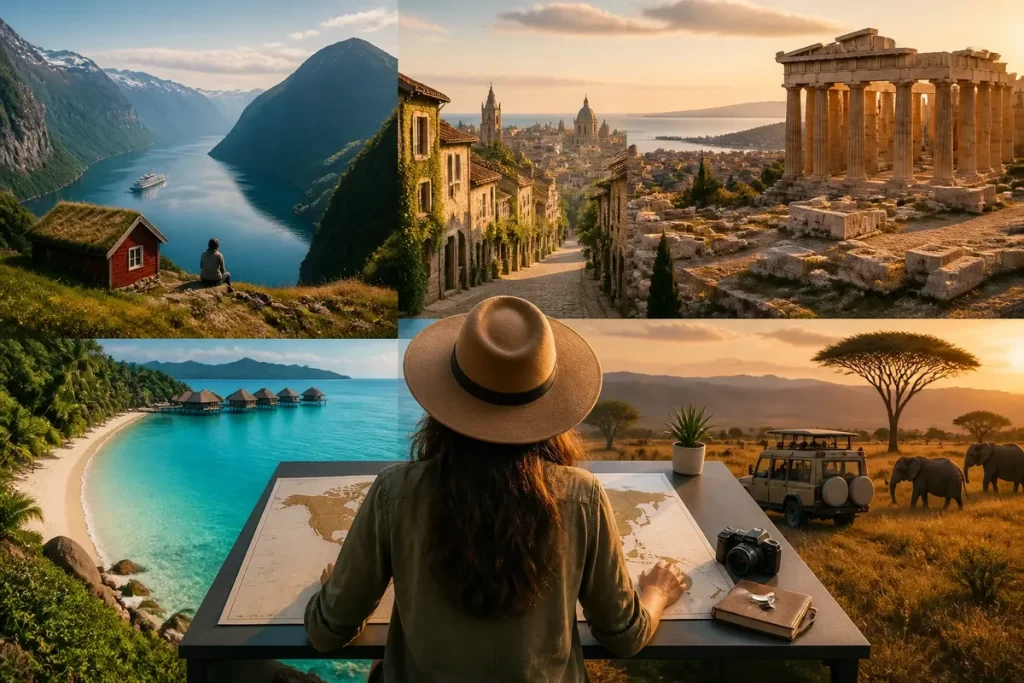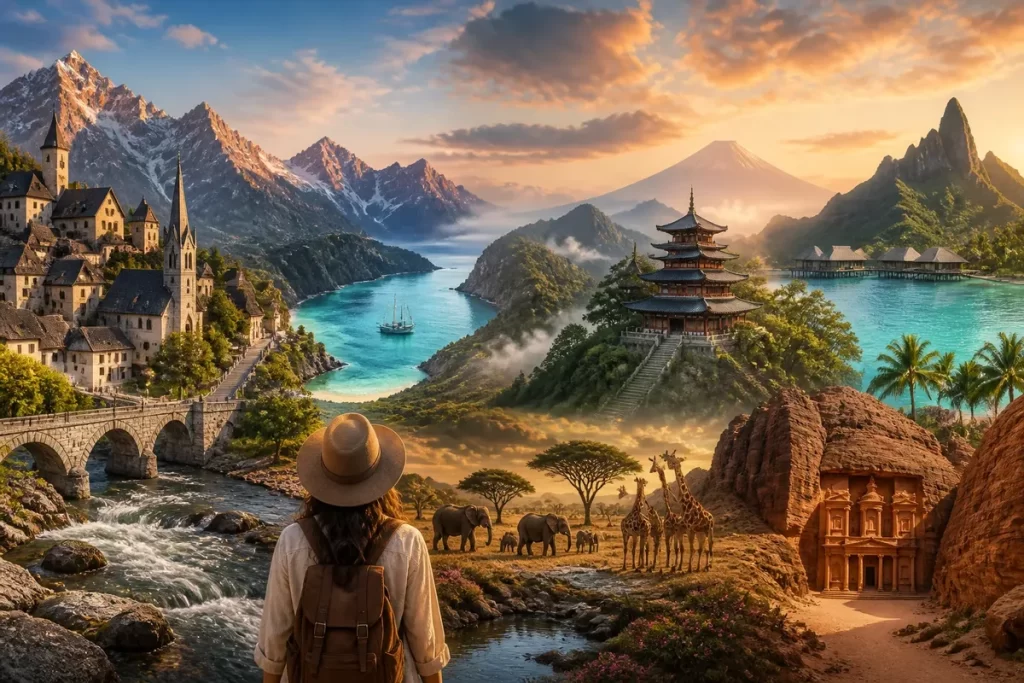
25 countries can be included in a selection of the most beautiful countries in the world, without any universal ranking able to designate an indisputable winner: the answer depends on landscapes, heritage, culture, biodiversity, and the type of travel sought.
I have therefore favored a balanced selection, combining vast spaces, coastlines, historic cities, remarkable sites, and diversity of experiences, while reminding that a highly visited country is not automatically the most beautiful for every traveler.
| 🌍 | Scope: 25 countries spread across Europe, the Americas, Asia, Africa, the Middle East, Oceania, and the Pacific. |
| 🏔️ | Nature: mountains, volcanoes, forests, deserts, glaciers, reefs, and coastlines. |
| 🏛️ | Heritage: historic cities, monuments, archaeological sites, and cultural landscapes. |
| 🧭 | Experience: hiking, safari, cultural immersion, diving, gastronomy, and itinerancy. |
| 💶 | Budget: daily expenses are not enough; international transport, season, and activities change the real cost. |
| ⚠️ | Limit: this list is an editorial ranking, not an official truth nor a global vote. |

On what criteria is this selection of 25 countries based?
The beauty of a country here rests on five dimensions: the strength of landscapes, the richness of heritage, cultural vitality, biodiversity, and the variety of experiences accessible to the traveler. No single criterion is sufficient alone.

A country may impress with its mountains without offering much cultural diversity. Another may charm with its cities, gastronomy, and villages, even with less spectacular natural spaces. The ranking therefore seeks balance rather than spectacle at all costs.
The method also avoids confusion between country, city, and landscape. Machu Picchu explains Peru’s appeal without summarizing the country. The fjords explain part of Norway’s beauty without replacing its islands, roads, and villages.
Tourist attendance gives a popularity index, not an aesthetic score. France welcomed 100 million international tourists in 2023, according to figures cited by a specialized publication, but this influx is not enough to automatically place it ahead of Greece, Norway, or Japan.
- Nature: reliefs, coasts, forests, deserts, glaciers, and marine environments.
- Heritage: monuments, archaeological sites, ancient cities, and landscapes shaped by history.
- Culture: architecture, cuisine, languages, festivals, crafts, and daily life.
- Diversity: ability to combine several experiences during the same trip.
The Most Beautiful Countries in Europe
Europe brings together a rare concentration of heritage, coastlines, mountains, and rural landscapes, with sometimes short distances between radically different atmospheres. The following five countries dominate this selection due to their diversity.
1. France
France ranks first thanks to the exceptional variety of its territories: Atlantic, Mediterranean, Alps, Pyrenees, Brittany, Provence, Corsica, and overseas territories form a combination difficult to match in a single destination.
Paris concentrates major urban heritage, while the Loire castles, Provençal villages, and alpine trails offer a completely different setting. The Breton coast offers a light and relief very different from the Mediterranean calanques.
On site, the main advantage is the freedom to adapt the trip: train between major cities, car for rural areas, hiking in the mountain ranges, and seaside stays on several maritime fronts.

2. Italy
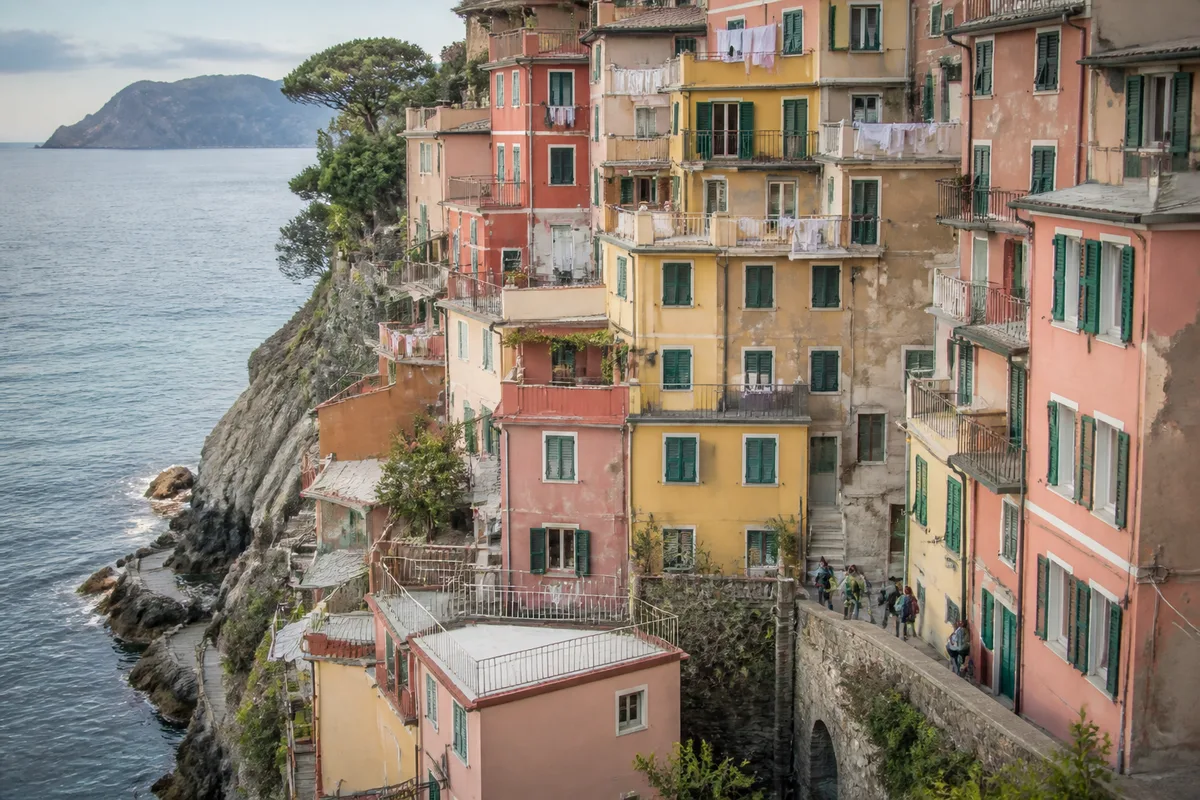
Italy combines a rare artistic density with very contrasting landscapes, from the canals of Venice and the alleys of Rome to the Dolomites, Sicilian volcanoes, and coastal villages.
Florence and Rome attract for their heritage, Tuscany for its hills and art cities, while the Cinque Terre demands a slower discovery, often hindered by crowds in high season. Sicily adds ancient temples, markets, and volcanic landscapes.
For a first trip, Italy is better suited to a tight itinerary than a rushed crossing of the country. With one week, choose Rome and Florence or Sicily; wanting to add Venice and the Dolomites turns the stay into a race.
3. Norway
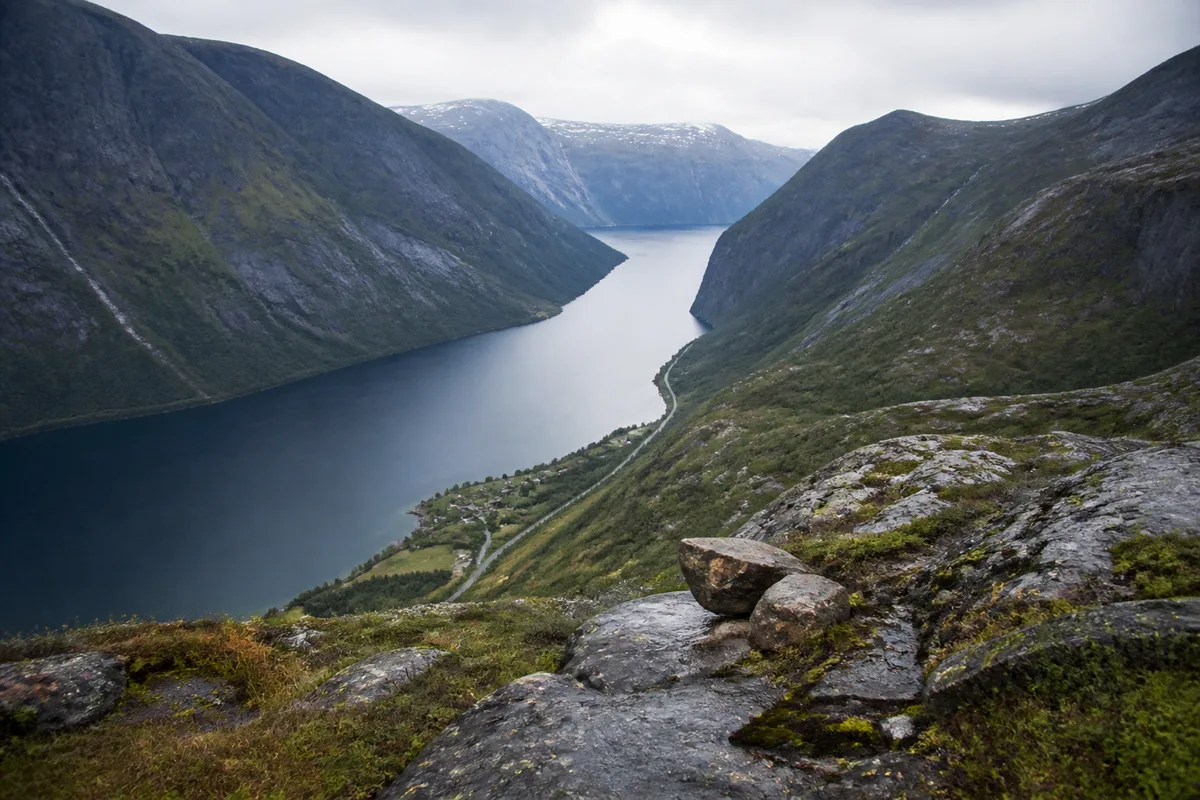
Norway stands out for the vastness of its landscapes: fjords, plateaus, mountains, the Lofoten Islands, and panoramic roads create a spectacular setting, particularly suited to travelers who accept the distances and changing weather.
Not all fjords are visited the same way. A cruise offers a first perspective, a hike reveals the reliefs, while a road itinerary allows connecting isolated villages, at the cost of sometimes long driving days.
The northern lights belong to a specific season and conditions; the midnight sun follows another logic. On site, the beauty thus depends as much on the available light as on the chosen location.
Travelers attracted to Nordic countries can also compare the geographic scopes with this file on the Scandinavian and Nordic countries.
4. Iceland
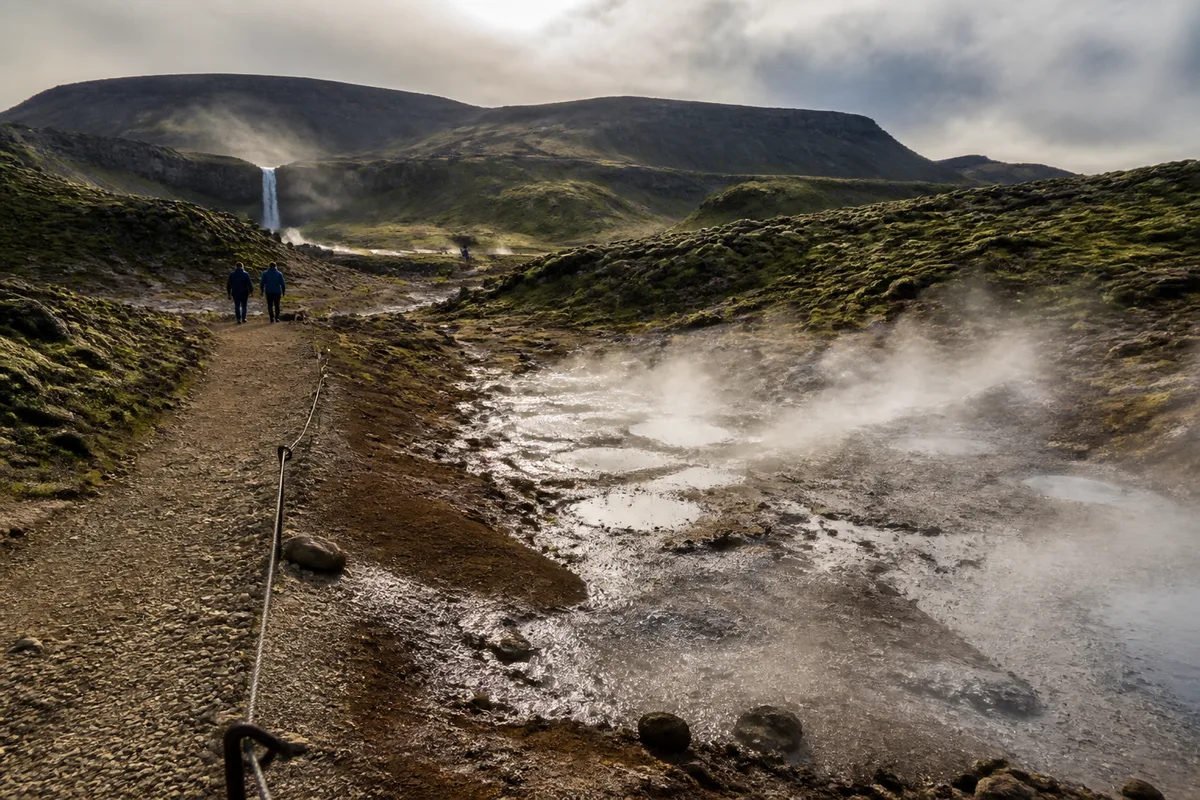
Iceland offers an impressive concentration of natural phenomena: volcanoes, glaciers, waterfalls, lava fields, black beaches, and geothermal springs succeed one another on a relatively compact island.
The Golden Circle is suitable for a first approach, while the south coast aligns very well-known sites, including the surroundings of Jökulsárlón. The Snæfellsnes Peninsula provides an interesting alternative when the traveler wants to avoid reducing the island to three photographed stops.
The wind, road conditions, and rapid changes in visibility heavily affect the itinerary. It is necessary to keep a real margin, especially when a day includes a long drive followed by a hike.
5. Greece
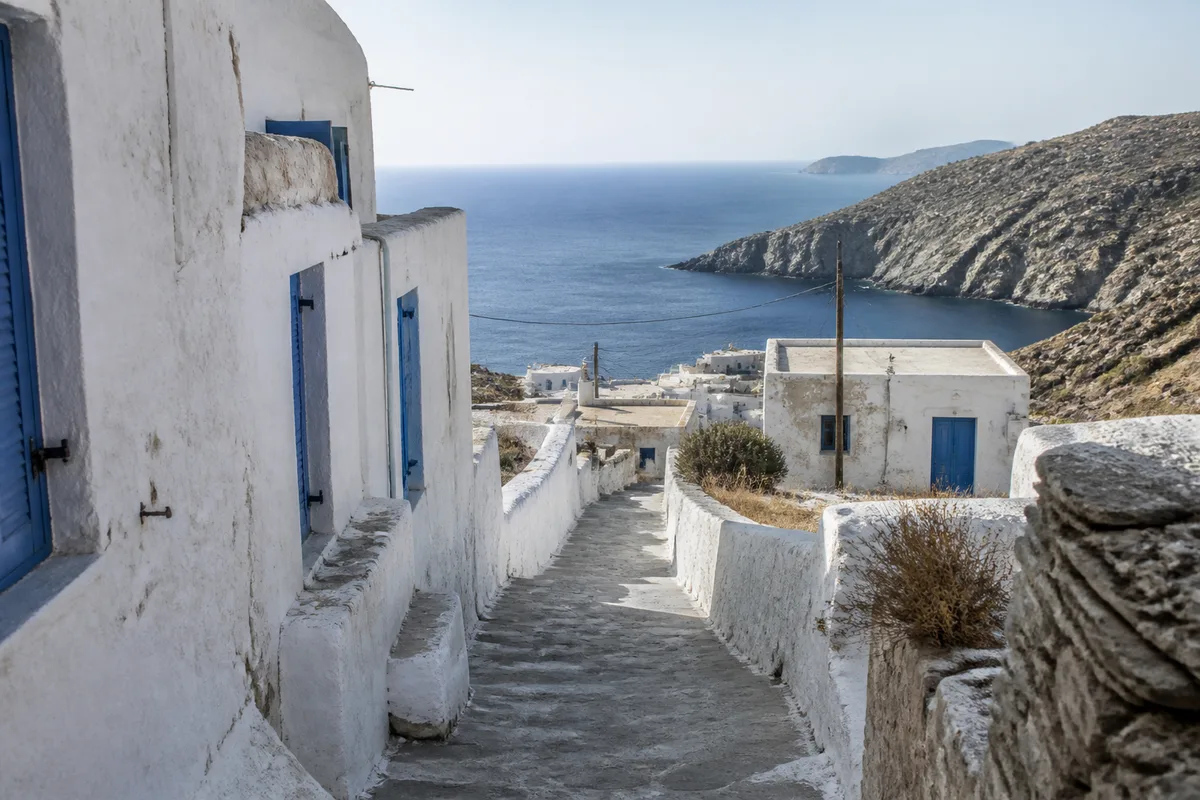
Greece combines sea, whitewashed villages, ancient ruins, mountains, and gastronomy with a diversity of atmospheres between the Cyclades, Crete, the Peloponnese, and the mainland.
Santorini impresses with its cliffs and sunsets, but the crowds significantly alter the experience. Crete offers more space, varied beaches, and mountain villages, while the Peloponnese allows for a combination of archaeology, coastline, and rural roads.
Greece is often reduced to its most famous islands. This perspective overlooks the mainland’s reliefs, monasteries, small towns, and beaches accessible without organized excursions.
The Most Beautiful Countries of the Americas
The Americas stand out for their scale differences: large parks, tropical forests, the Andes, glaciers, deserts, metropolises, and coastlines can all belong to the same country. However, the distances require choosing a region rather than aiming for an exhaustive discovery.
6. Canada
Canada captivates with its Rockies, turquoise lakes, boreal forests, and coasts, offering a sense of space that few European destinations can replicate.
Banff and Jasper concentrate iconic mountain landscapes, while historic Quebec adds an urban and cultural dimension. Niagara Falls is very popular but remains a spectacular landmark on a trip focused on the eastern part of the country.
A Canadian itinerary requires measuring distances before booking. To truly enjoy the parks, it is better to explore one province or a specific corridor than to multiply domestic flights.
7. Costa Rica
Costa Rica brings together volcanoes, tropical forests, Pacific beaches, and the Caribbean coast in a territory well suited for a first trip dedicated to biodiversity and outdoor activities.
National parks allow observation of very different environments, while hot springs and volcanic trails add an active dimension to the stay. The Caribbean coast offers a more relaxed atmosphere than some Pacific resorts.
The country’s beauty demands careful organization: travel times can exceed what the map suggests, especially when roads cross reliefs or rural areas.
To prepare the stages without piling up journeys, also consult this guide dedicated to what to visit in Costa Rica.
8. Peru
Peru combines Inca heritage, the Andes mountain range, high valleys, desert coast, and gastronomy, with a cultural and geographical intensity that fully justifies its place among the 25 most beautiful countries in the world.
Machu Picchu remains the most famous site, but the Sacred Valley, Andean villages, and landscapes around Cusco give more depth to the trip. Vinicunca, located around 5,200 meters according to commonly published estimates, requires real caution regarding altitude.
The coast provides an almost total contrast with the Andes. Lima, the dunes, and desert landscapes show that Peru is not just a trekking destination.
9. Argentina
Argentina offers a remarkable geographical contrast between Patagonian glaciers, Iguazú Falls, the Pampas plains, Andean peaks, Tierra del Fuego, and the lively neighborhoods of Buenos Aires.
Patagonia requires time, as the sites are remote and weather conditions can interrupt an excursion. Iguazú is more easily combined with a Brazilian itinerary or a regional trip, while Buenos Aires offers an urban and cultural breather.
The country suits travelers able to accept long transfers. With a limited budget, focus on a single region: multiplying flights is expensive and reduces the days actually spent on site.
10. Brazil
Brazil deserves its place for the breadth of its contrasts: tropical beaches, the Amazon rainforest, the dunes of Lençóis Maranhenses, Iguaçu Falls, colonial towns, and metropolises make up several different trips.
Rio de Janeiro combines landscapes, bay, and urban life, while Salvador de Bahia brings a strong historical and musical identity. The Amazon requires specific preparation, as access, travel, and living conditions differ significantly from a coastal trip.
Brazil is not traveled like a small European country. Choose a geographic axis and keep a reserve for internal transportation, activities, and program changes.
The Most Beautiful Countries in Asia
Asia combines ancient civilizations, megacities, temples, mountains, rice fields, tropical archipelagos, and living traditions. Its beauty often lies in the contrast between human density and the strength of the landscapes.
11. Japan
Japan brings together temples, gardens, traditional villages, megacities, and volcanic reliefs in an archipelago where each season profoundly changes the landscapes and the atmosphere of the journey.
Kyoto and Nara concentrate major cultural heritage, Tokyo shows a different relationship to urban space, and the Japanese Alps offer mountain breathing space. Mount Fuji remains a strong image, even if its visibility depends on weather conditions.
Japan suits travelers who like organized transportation and precise stops. On site, punctuality facilitates travel, but a too dense program leaves little room for neighborhoods, markets, and encounters.

12. Indonesia
Indonesia unfolds an exceptional variety of landscapes and cultures between Bali’s rice fields, Java’s volcanoes, marine depths, forests, and eastern islands.
Bali facilitates a first discovery, with its temples and agricultural landscapes, while Java offers a more volcanic approach around its reliefs. Komodo and Raja Ampat are more suited to travelers attracted by the sea, diving, and biodiversity.
Such an extensive archipelago is not visited by changing islands every day. The cost of transfers, maritime schedules, and weather often make a thorough stay in two regions more relevant.
13. Vietnam
Vietnam combines Ha Long Bay, karst reliefs, terraced rice fields, the Mekong delta, historic cities, and coastlines, with a particularly rich geographical progression.
Hanoi and the northern villages offer a different immersion than Ho Chi Minh City and the delta. The central part of the country links imperial heritage, ancient cities, and beaches, provided you don’t want to see everything too quickly.
The rice fields change color depending on the agricultural periods. A famous photograph therefore does not guarantee the same landscape in every season.

14. Nepal
Nepal is featured in this ranking for the Himalayas, trekking routes, views of Everest, mountain villages, and the richness of the Kathmandu Valley.
Hiking changes the perception of distances: a map may seem simple, while the elevation gain, altitude, and days of walking impose a gradual pace. Kathmandu and Bhaktapur add an architectural and religious dimension before or after the trek.

The parks in the south completely change the scenery. On site, the trip can therefore combine mountains, temples, and wildlife observation without being confined to the high peaks.

15. The Philippines
The Philippines attract with their lagoons, beaches, underwater worlds, Banaue rice terraces, and the variety of islands in Palawan, the Visayas, and Luzon.
Palawan suits travelers looking for marine landscapes and boat excursions. Bohol adds the Chocolate Hills, often presented as a group of 1,268 hills, as well as opportunities for rural discovery and diving.

derivative work: MrPanyGoff / Wikimedia Commons
Maritime and air transfers strongly structure the budget. The Philippines suit travelers who accept losing time in transit to gain a great diversity of landscapes.
The Most Beautiful Countries in Africa and the Middle East
This region brings together deserts, savannas, mountains, coastlines, and archaeological sites, with experiences that often require more preparation than a simple urban stay.
16. Morocco
Morocco combines medinas, kasbahs, the Atlas Mountains, the Sahara Desert, southern villages, and the Atlantic coast in a country particularly accessible for a first disorienting immersion.

Marrakech and Fès offer two different urban experiences, Chefchaouen attracts with its bluish alleys, while Essaouira offers a calmer maritime rhythm. The southern valleys add more depth to an itinerary that is not limited to the big cities.
The desert is not just a quick excursion from an imperial city. Distances, season, and type of camp significantly alter the experience and the final price.
17. South Africa
South Africa combines safari, mountains, coastlines, vineyards, and scenic routes, with a diversity that allows alternating nature, city, and gastronomy during the same trip.
Kruger Park is aimed at wildlife observation, while Cape Town, Table Mountain, and the peninsula offer a different relationship with the landscape. The Garden Route and the Drakensberg extend the journey for outdoor enthusiasts.
Safety must be assessed neighborhood by neighborhood and route by route. A well-prepared itinerary remains preferable to improvisation based on a general image of the country.
18. Namibia
Namibia impresses with its red dunes, wild coasts, canyons, desert expanses, and the landscapes of Etosha National Park.
Sossusvlei offers a graphic, almost unreal beauty, while the Skeleton Coast gives a rougher and more isolated impression. Etosha adds an animal dimension, but the distances between stops require a suitable vehicle and real time management.
Namibia suits travelers attracted by autonomy and wide open spaces. It is less suitable for those who want to chain short visits with little driving.
19. Tanzania
Tanzania allows combining safari, mountain, culture, and beaches thanks to the Serengeti, the Ngorongoro Crater, Kilimanjaro, and the Zanzibar archipelago.
The safari requires choosing an area and a period suited to the desired objective, while climbing Kilimanjaro demands distinct physical preparation. Zanzibar provides a maritime end to the trip, with local realities different from those of the mainland parks.
The budget mainly depends on private transport, parks, and accommodation level. To control costs, it is necessary to compare the number of safari days rather than only looking for the starting price.
20. Jordan
Jordan concentrates Petra, the Wadi Rum desert, the Dead Sea, canyons, and ancient ruins in a territory suited to a relatively coherent cultural and natural itinerary.
Petra requires more than a quick stop around its main entrance. Wadi Rum changes the scene with its desert reliefs and nights under tents, while the Dead Sea offers a very particular seaside experience.
Local restrictions, security conditions, and site access must be checked before departure with France Diplomatie and the relevant local authorities.
The Most Beautiful Countries of Oceania and the Pacific
Oceania and the Pacific reward travelers who accept long distances, costly flights, and sometimes less flexible logistics, with marine, volcanic, and desert landscapes that are hard to replicate elsewhere.
21. Australia
Australia combines beaches, the Great Barrier Reef, forests, national parks, the Outback, rock formations, and coastal metropolises in a country where distance becomes a component of the journey.
Sydney and Melbourne bring an urban dimension, the Great Ocean Road combines coast and scenic route, while Uluru demands a more attentive approach to the Red Centre. The landscapes of the tropical North are not visited under the same conditions as those of the South.
After fifteen months spent in Australia and over 20,000 kilometers traveled, I know how much a map can underestimate travel times: with a limited budget, it is better to choose a region and explore it properly.

22. New Zealand
New Zealand combines fjords, volcanoes, glaciers, lakes, forests, and mountains in a format particularly suited to travelers who love hiking and wilderness journeys.
Fiordland and the South Island concentrate some of the most powerful landscapes, while Tongariro offers volcanic reliefs and Abel Tasman a gentler coastline. The country allows for varied efforts without abandoning a strong landscape coherence.
The campervan provides freedom, but it does not eliminate distances or parking constraints. A realistic itinerary protects the trip more than an overly long list of parks.
23. Fiji
Fiji rests on the beauty of its lagoons, beaches, coral reefs, and lush islands, with an important Melanesian cultural dimension.
Water activities occupy a central place, but villages and local exchanges offer another perspective on the archipelago. The stay varies greatly depending on the chosen island and the time devoted to maritime transfers.
Fiji is suitable for slow travel. Trying to multiply islands in a few days costs time and reduces the actual time spent on the sea, trails, and local communities.
24. Palau
Palau stands out for its Rock Islands, marine lakes, reefs, and underwater environments, with a particular reputation among travelers attracted by diving.
The landscape is discovered as much underwater as on the surface. The preservation of reefs and marine areas directly conditions the quality of the experience, which requires respecting local guidelines rather than seeking spectacular interaction.
This destination is aimed at a specific audience. For a trip focused on land hiking or urban heritage, Palau will be less suitable than Japan, Peru, or New Zealand.
25. Vanuatu
Vanuatu closes this selection thanks to its active volcanoes, beaches, tropical forests, island villages, and local traditions, with a rawer experience than that of major beach destinations.
The island of Tanna is known for the Yasur volcano, while Espiritu Santo combines beaches, forests, and water activities. Villages and cultural practices add depth to the trip when the visitor takes the time to step off the fastest circuits.
Island logistics require checking connections, weather conditions, and accommodation possibilities before building a detailed itinerary.
Which country to choose according to your way of traveling?
The best choice mainly depends on the experience sought: Norway and New Zealand suit wide open spaces, Japan and Italy the heritage, while Costa Rica and Tanzania are more for travelers attracted by biodiversity and wildlife.
| Travel profile | Countries to favor | Why | Points of caution |
|---|---|---|---|
| Wide open spaces | Norway, Canada, Australia | Reliefs, scenic routes and long distances | Transport time and weather |
| Heritage | Italy, France, Japan | Historic cities, monuments and cultural landscapes | Crowds at the most famous sites |
| Beaches and islands | Greece, Philippines, Fiji | Coasts, lagoons and water activities | Season, transfers and dependence on boats |
| Adventure | Nepal, Peru, New Zealand | Trekking, altitude, volcanoes and active routes | Physical condition and acclimatization |
| Wildlife and biodiversity | Costa Rica, Tanzania, South Africa | Forests, safaris, parks and protected areas | Organized activities and budget |
For pure landscapes, choose Norway, Namibia or New Zealand. For cultural density, Italy and Japan are more convincing.
A common misconception often arises: “the most beautiful country is necessarily the one that has the most spectacular landscapes.” It overlooks the real cost, travel time, season and quality of encounters that turn an image into a journey.
The total budget combines daily expenses on site, round-trip flight, weekly stay and forgotten fees, such as activities, purchases or internal transfers. A published estimate gives for example €29 per person per day on site in Yemen, €750 for the round-trip flight and €1,349 for a week; for Mongolia, it indicates €33 per day, €938 flight and €2,571 for a week.
These amounts are indicative examples, not guaranteed rates. The same estimate specifies that prices can vary by 10 to 20% depending on the destination and season, while transport costs to the country and purchases are not always included in the daily budget.
- Check the rainy season, heat, snow and visibility before choosing a landscape.
- Verify entry formalities on France Diplomatie and the official country website.
- Calculate internal transports before comparing two countries based only on accommodation price.
- Reserve a margin for delays, trail closures and weather changes.
- Respect the rules of protected sites, parks and local communities.
Fragile beauty also requires a practical decision: limit waste, avoid saturated areas when possible, respect trails and accept that some sites impose restrictions to preserve their environment.
The season can completely transform a destination. A tropical beach under persistent rain, a mountain pass closed or a fjord shrouded in fog do not produce the same experience as the photographs that inspired the trip; tourist offices and local authorities remain the best points of verification.
To broaden the comparison beyond this selection, you can consult 120 most beautiful countries to visit, which responds to a broader intention.
Summary Table of the 25 Selected Countries
This table summarizes the dominant reason for each country’s presence in the ranking, without claiming to turn an aesthetic appreciation into a scientific score. It mainly serves to quickly identify the country that matches your travel desire.
| Rank | Country | Main Asset | Iconic Experience | Recommended For |
|---|---|---|---|---|
| 1 | France | Diversity | Heritage and landscapes | First big trip |
| 2 | Italy | Heritage | Art cities and coastlines | Culture and gastronomy |
| 3 | Norway | Wide open spaces | Fjords and hikes | Nordic nature |
| 4 | Iceland | Geology | Volcanoes and glaciers | Photography and road trip |
| 5 | Greece | Islands and history | Cyclades and ancient ruins | Sea and heritage |
| 6 | Canada | Mountains | Rockies and Great Lakes | Hiking |
| 7 | Costa Rica | Biodiversity | Forests and volcanoes | Ecotourism |
| 8 | Peru | Andes and history | Machu Picchu | Culture and trekking |
| 9 | Argentina | Contrasts | Patagonia and Iguazú | Long trip |
| 10 | Brazil | Natural diversity | Rio and Amazon | Regional travel |
| 11 | Japan | Culture | Kyoto and Mount Fuji | Heritage and cities |
| 12 | Indonesia | Archipelago | Volcanoes and diving | Island travel |
| 13 | Vietnam | Varied landscapes | Ha Long Bay and rice terraces | Immersion |
| 14 | Nepal | Himalayas | Trekking | Mountains |
| 15 | Philippines | Coastline | Lagoons and islands | Diving and beaches |
| 16 | Morocco | Culture and desert | Medinas and Atlas | Nearby change of scenery |
| 17 | South Africa | Safari and coasts | Kruger and Cape Town | Varied travel |
| 18 | Namibia | Desert | Sossusvlei and Etosha | Self-sufficiency |
| 19 | Tanzania | Wildlife | Serengeti and Zanzibar | Safari |
| 20 | Jordan | Archaeology | Petra and Wadi Rum | History and desert |
| 21 | Australia | Immense diversity | Uluru and coastlines | Long road trip |
| 22 | New Zealand | Hiking | Fiordland and volcanoes | Active nature |
| 23 | Fiji | Lagoons | Reefs and islands | Slow travel |
| 24 | Palau | Underwater world | Rock Islands | Diving |
| 25 | Vanuatu | Volcanoes and culture | Tanna and Espiritu Santo | Preserved archipelago |
So, what is ultimately the most beautiful country in the world?
France is the best choice for diversity, Norway for wide open spaces, Italy for heritage, and Costa Rica for biodiversity; no country dominates all criteria simultaneously.

The ranking places France at the top because it combines a wide variety of landscapes, a rich heritage, and relatively flexible travel conditions. This first place remains editorial: a diving enthusiast will probably choose the Philippines, while a hiker will favor Nepal or New Zealand.

Travelers who want an answer centered on personal preference can delve deeper into the question of the most beautiful country in the world by comparing their own criteria rather than following a single ranking.
The best compromise is to choose the country whose landscapes, season, budget, and pace truly match your project: the beauty of a destination matters, but the actual time available often determines the quality of the trip.