In 2026, Norway tops the only ranking explicitly based on a traveler survey presented here, ahead of Uganda, Mozambique, Namibia, and Japan. However, there is no universal ranking: the result changes depending on the panel surveyed, the definition of beauty, and the method used.

The ranking studied is based on 1,805 people who undertook a long trip to several countries. Respondents who visited Norway particularly appreciated it, with 76% placing it in their top 3; this result measures a declared experience, not an aesthetic truth valid for all itineraries.
| 🧭 | Main ranking: Norway holds the first place in the traveler survey selected for 2026. |
| 👥 | Panel studied: 1,805 people who undertook a long trip to several countries. |
| 🏔️ | Dominant beauty: landscapes, wide open spaces, reliefs, and nature experience strongly shape the ranking. |
| 🌍 | Second to fifth place: Uganda, Mozambique, Namibia, and Japan follow Norway. |
| 📚 | Divergent rankings: Greece, France, Italy, or New Zealand top other editorial selections. |
| 💶 | Actual cost: a daily budget on site does not automatically include flights, permits, excursions, and transfers. |
What is the most beautiful country in the world according to international travelers?

According to the traveler survey selected for this 2026 ranking, Norway comes first thanks to a strong appreciation of its landscapes and nature experience. Uganda, Mozambique, Namibia, and Japan complete the known top five positions, with very different forms of beauty.
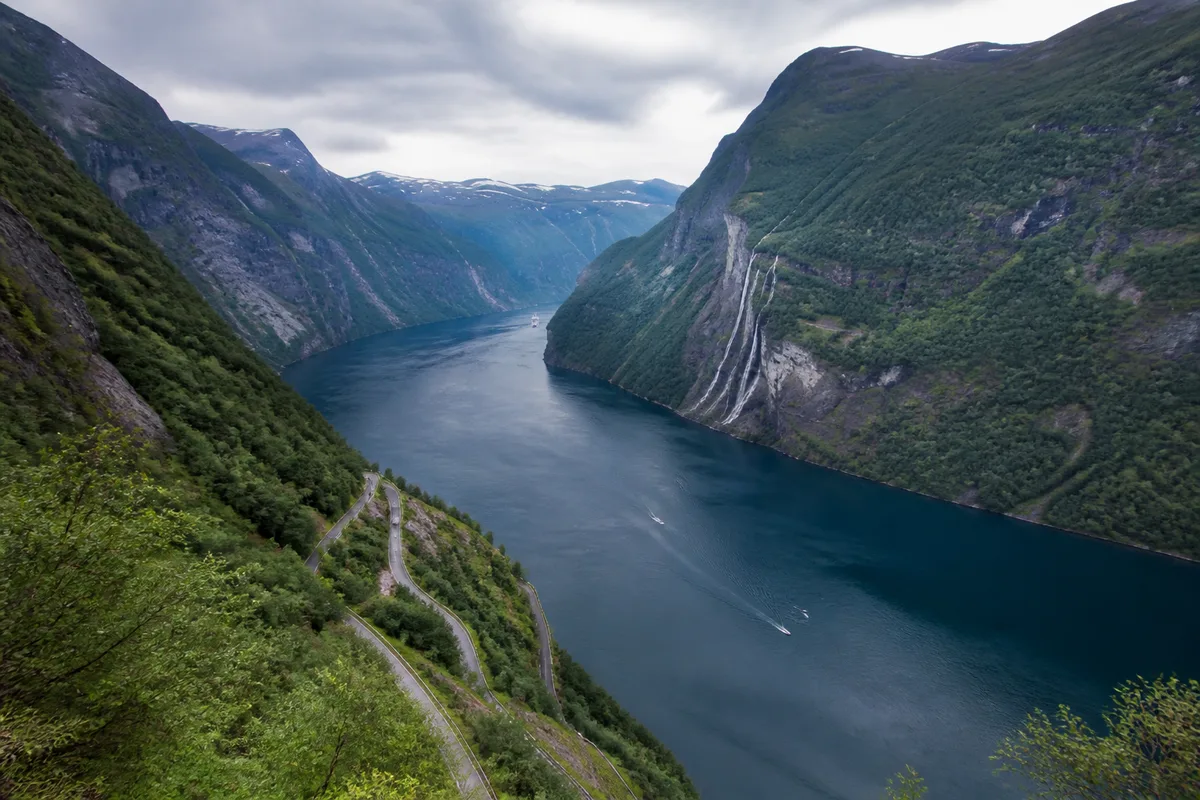
The result comes from a vote concerning countries actually visited by respondents. The proportion associated with Norway reaches 76% in its visitor group, compared to 67% for Uganda, 63% for Mozambique, 59% for Namibia, and 58% for Japan.
These percentages are not average scores out of ten. They indicate the share of visitors who placed each country in their top three choices. The comparison is therefore still useful for measuring strong approval, without turning these gaps into a precise difference in beauty.
A destination can impress with its panoramas from the very first days, then require more time to understand its lesser-known regions. I have often noticed, during my long journeys, that the memory of a country depended as much on the pace of the trip as on the landscape seen from a viewpoint.

How does the ranking from the travelers’ survey work?
The ranking is based on 1,805 travelers who made a long journey through several countries, then on their appreciation of the destinations visited. This method gives more weight to lived experience than to tourist reputation, while limiting the scope of the result to the profile of the panel.
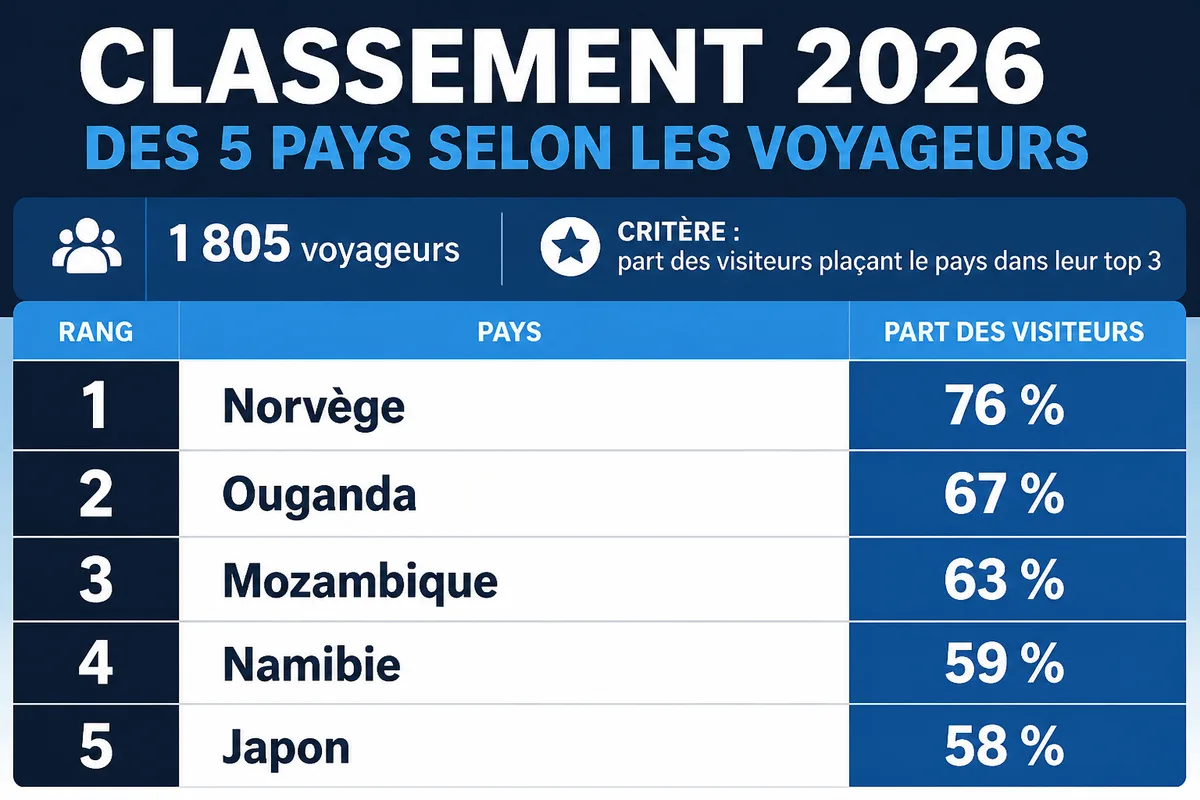
The following table summarizes the available data for the top five countries.
| Rank | Country | Visitors placing it in their top 3 | What the result measures |
|---|---|---|---|
| 1 | Norway | 76% | Appreciation among people who have visited it |
| 2 | Uganda | 67% | Appreciation among people who have visited it |
| 3 | Mozambique | 63% | Appreciation among people who have visited it |
| 4 | Namibia | 59% | Appreciation among people who have visited it |
| 5 | Japan | 58% | Appreciation among people who have visited it |
The calculation is based on people who have seen the countries concerned, and not on all international travelers. This distinction is important: a less accessible country can obtain a very high appreciation among those who have been there, without appearing in the preferences of people who have never considered it.
The method also favors destinations capable of producing a strong impression during a long trip. An itinerary including fjords, wildlife parks, or a spectacular coastline more easily leaves a coherent image than a stay limited to a capital city.
However, the panel does not necessarily represent families traveling with young children, visitors limited to one week, or people choosing their destinations for urban heritage. The result therefore answers a precise question: which countries have most impressed these experienced travelers?
A common mistake is to read these percentages as an overall score given to each country. They do not indicate how many days respondents spent there, which regions they traveled through, or if the visiting seasons were comparable.
Which countries also appear in other international selections?
Editorial selections often place Greece, France, Italy, New Zealand, Iceland, or Costa Rica among the most attractive destinations. They do not produce the same result as traveler surveys, as their rankings may come from an editorial team, a choice of iconic places, or an external ranking.

An editorial selection cited in the corpus places France in first position, Italy second, the United States third, and New Zealand fourth. It emphasizes heritage, landscapes, and remarkable places, with France credited with 45 World Heritage sites and China credited with 53 sites in the same presentation.
Another external ranking cited in a selection places Greece first and New Zealand second for the year 2024. Norway therefore remains at the top of the traveler vote retained here, while Greece or France may dominate rankings built on other criteria.
The difference is methodological. A visitor vote measures a lived impression; an editorial list assembles criteria, examples, and professional appreciation; an external ranking can incorporate the country’s image, its heritage, or its general attractiveness.
The reader must therefore keep the following lists separate:
- Traveler survey: experience reported by people who have visited the countries.
- Editorial selection: choice argued by an editorial team according to its own criteria.
- External ranking: result produced by an organization or publication with a different method.
To broaden the comparison without mixing these methods, the list of 25 most beautiful countries offers a distinct selection, to be read as an editorial ranking and not as the statistical continuation of the vote presented here.
Tourist attendance does not allow to decide between these rankings. France welcomed 100 million international tourists in 2023 according to the data cited in the corpus, but this volume measures popularity and hosting capacity, not aesthetic superiority.
The most beautiful countries according to the type of travel
A unique ranking becomes more useful when reread according to the experience sought: wide open spaces, beaches, heritage, wildlife, or adventure. Norway dominates the studied vote, while other countries better correspond to a trip focused on culture, warmth, animal observation, or itinerancy.
Nature and wide open spaces
Norway, Namibia, New Zealand, Iceland, and Canada respond particularly well to a desire for reliefs, panoramic roads, and sparsely urbanized spaces. The quality of the trip then depends on the time available, as the distances between sites can turn a beautiful list into a succession of long transfers.
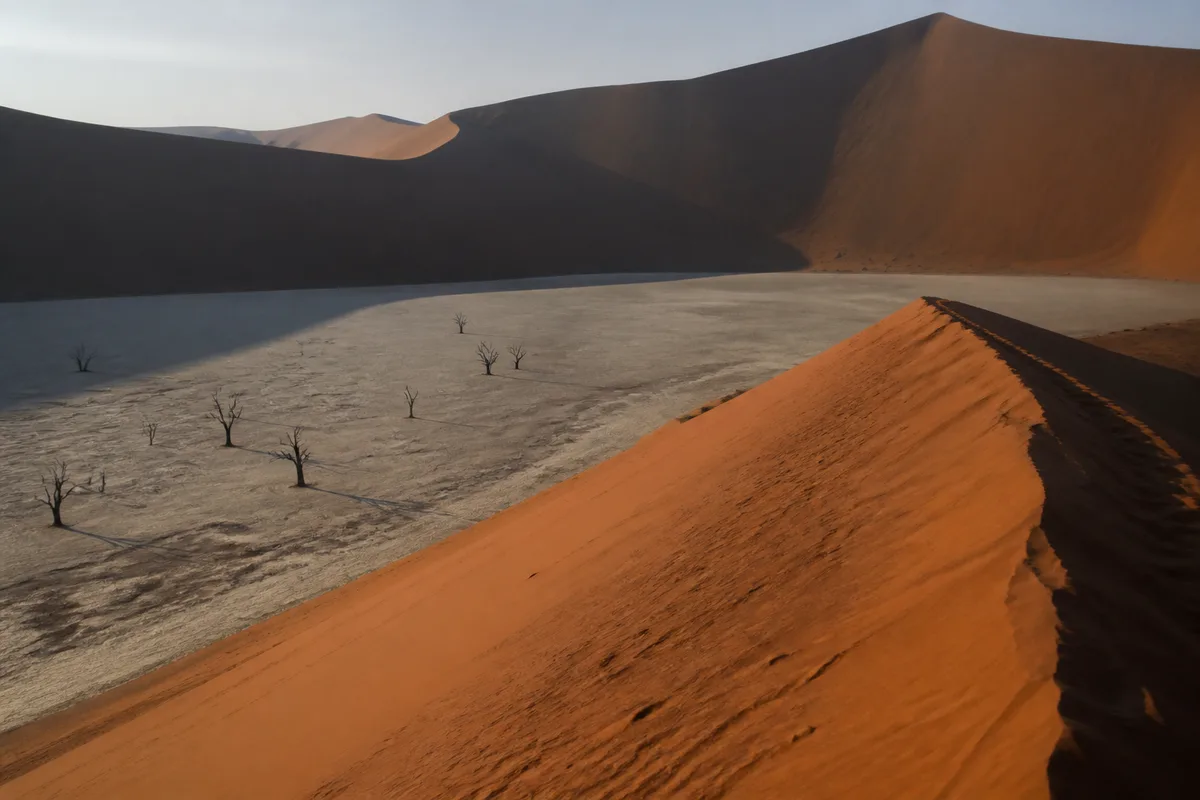
Norway concentrates fjords, mountains, and coastal roads, with a relatively clear organization for an independent itinerary. Namibia offers another experience, drier and more mineral, where driving and distances weigh more on the budget.
To compare the scenery rather than just the country names, the most beautiful landscapes in the world offer a complementary framework focused on natural scenes and specific places.

Wildlife and adventure
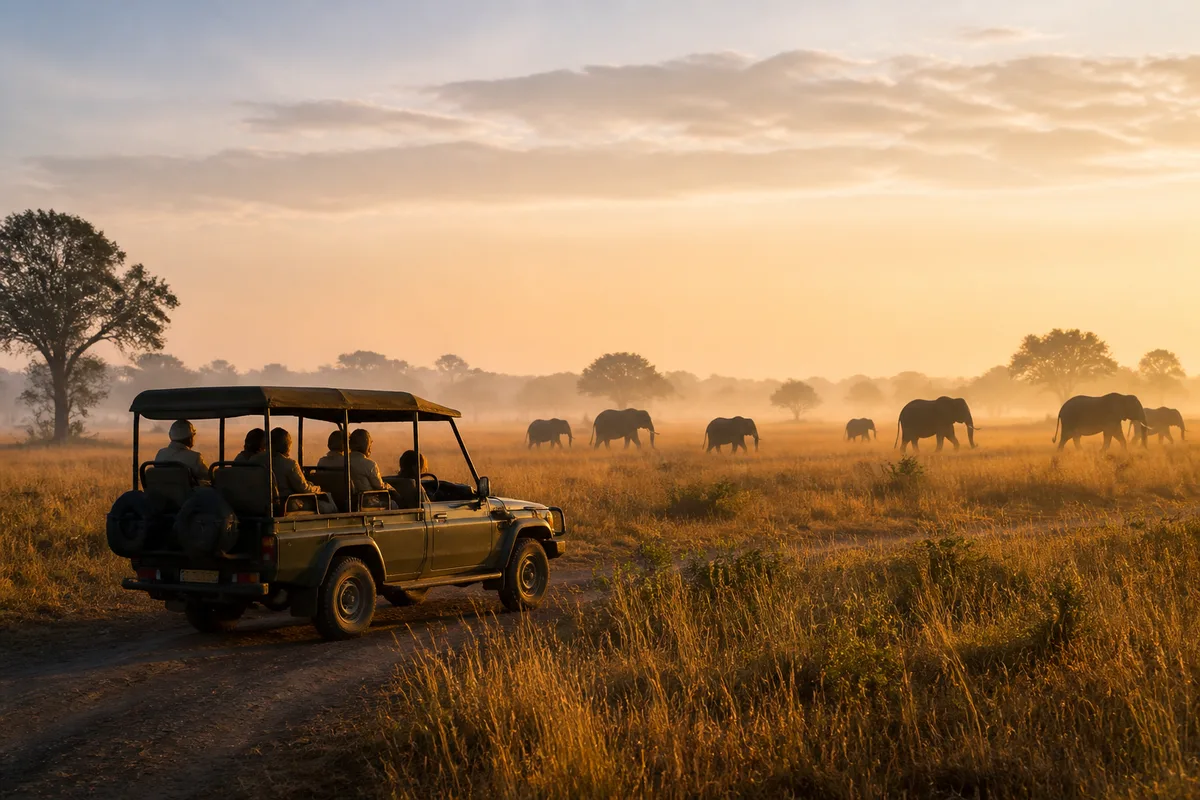
Uganda ranks very high thanks to an experience focused on wildlife, parks, and African landscapes. Namibia also belongs to this category, with a more road-trip and desert approach; the choice between the two mainly depends on the type of observation sought.
On site, animal observation requires schedules, travel, and rules that go beyond ranking photos. Departures can be early in the morning. Roads slow down the itinerary. Permits or excursions sometimes add a separate expense to the daily announced cost.

Beaches and islands
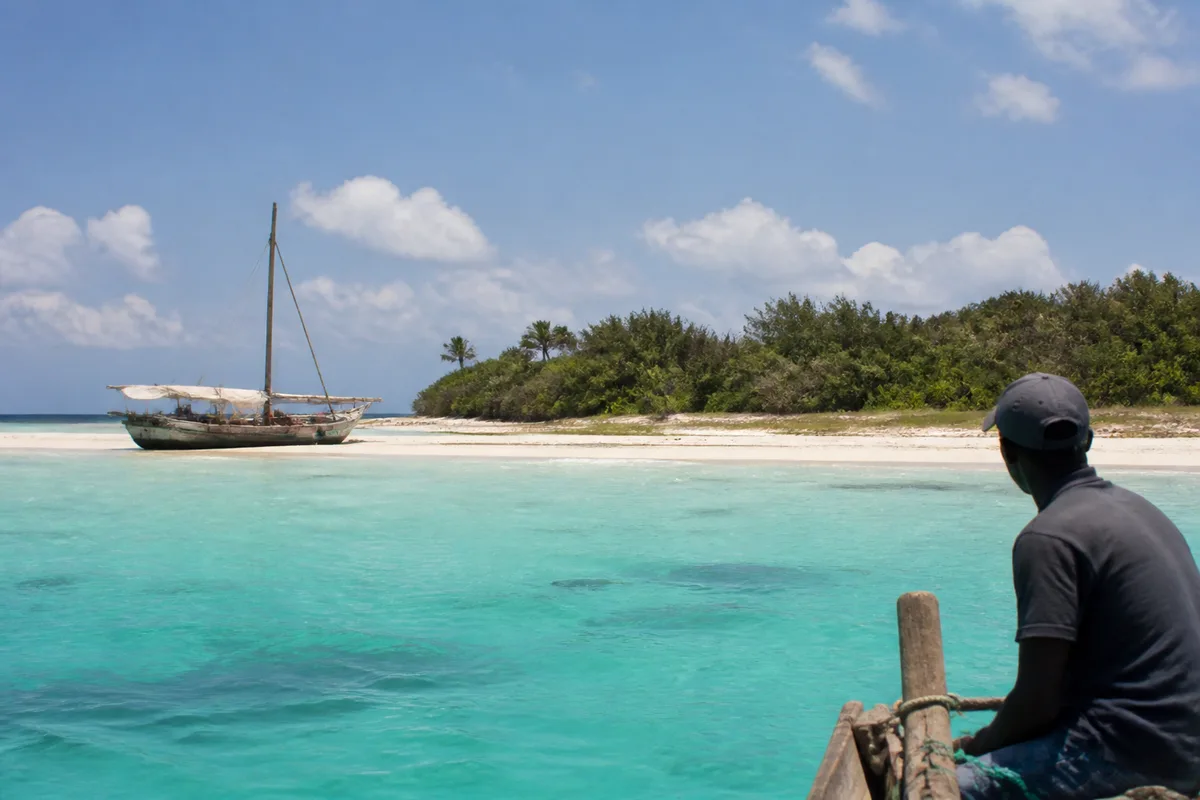
Mozambique appeals to travelers seeking coastline, archipelagos, and a seaside atmosphere, while Costa Rica combines coasts, forests, and outdoor activities. Beach landscapes alone are not enough to compare countries: the season, transfers, and the state of infrastructure strongly change the experience.

The corpus cites nearly 1,300 kilometers of coastline and 600 beaches for Costa Rica. These figures give an idea of the coastal diversity evoked by this selection, without allowing to measure the quality of each beach or the ease of access from a city or airport.

Culture and Heritage
Japan, France, Italy, and Greece take a larger place when beauty includes architecture, gastronomy, villages, museums, and historical heritage. Japan ranks fifth in the studied survey, with 58% of respondents placing it in their top 3.
A cultural trip often better withstands weather changes, as visits do not rely solely on an open panorama. However, it requires a different pace, with more time spent in cities, historic districts, and heritage sites.

Why Does the Season Change the Impression of a Country’s Beauty?
The season changes the light, colors, road access, and crowd levels; the same country can therefore produce a very different experience depending on the month. Spring is presented as favorable for Morocco and several European regions, while summer corresponds more to the Mediterranean and northern Europe.
Autumn is described as a suitable period for several destinations in Africa, Asia, Uzbekistan, Australia, and Polynesia. Winter is recommended in the corpus for Sri Lanka, the Maldives, Mauritius, and a cruise on the Nile; early December is presented as a quieter period there.
These indications do not constitute a universal calendar. A country’s dry season may coincide with its high season, high prices, and heavy crowds, while a wetter period may offer more tranquility provided one accepts showers.
On site, the weather also affects transportation. A closed scenic road, rough seas, or overcast skies can remove the element that motivated the stop, whereas a museum, market, or historic district remains visitable.
- For northern reliefs: prioritize a period when the targeted roads and trails are accessible.
- For beaches: distinguish between the bathing season, cyclone season, and periods of high attendance.
- For wildlife: choose the calendar according to the animals sought and the observation conditions.
- For heritage: accept less stable weather if cultural visits structure the itinerary.
What is the real cost of countries associated with beauty?
An aesthetic ranking does not automatically mean an easy-to-finance trip. A specialized source suggests €29 per day in Yemen, €33 in Mongolia, €35 in Vietnam, and €36 in Nepal for average on-site expenses per person, but these amounts do not necessarily cover flights, permits, excursions, and transfers.
The table allows distinguishing what the published estimate covers from what needs to be added.
| Country | Quoted daily amount | What this amount describes | Expenses to isolate |
|---|---|---|---|
| Yemen | €29 | Average on-site expenses per person | Flights, permits, excursions, and transfers |
| Mongolia | €33 | Average on-site expenses per person | Transport between regions, guide, and specific nights |
| Vietnam | €35 | Average on-site expenses per person | International flight and chosen activities |
| Nepal | €36 | Average on-site expenses per person | Permits, guide, equipment, and trips to treks |
These values do not allow ranking the most beautiful countries according to their value for money. They only serve to avoid a budgeting error: multiplying a daily rate by the number of nights, then forgetting the expenses that actually make the itinerary possible.
On site, the cost mainly depends on the style of travel. A backpack with public transport can reduce the bill in some regions, while a safari, desert crossing, or guided trek imposes fixed costs that are difficult to eliminate.
For a reliable budget, separate four envelopes: arrival and return, internal travel, accommodation, and essential activities. Then add a margin for itinerary changes, luggage, meals taken in transit, and nights imposed by schedules.
With a tight budget, the cheapest country is not automatically the best choice. A long internal journey or an essential activity sometimes costs more than several nights of accommodation.
How does a beauty ranking influence places and inhabitants?
A high place in a ranking draws attention to the same landscapes and can concentrate visitors on a few emblematic sites. The effect is positive for jobs and local incomes when spending stays in the region, then becomes problematic when infrastructures and natural environments no longer keep up.
Visitation can accelerate trail erosion, increase waste, and alter housing prices around well-known sites. It can also encourage the restoration of monuments, the protection of natural areas, and the creation of activities led by local residents.
The entire country does not automatically receive the benefits of a ranking. A region far from a classic route may remain little visited, while a fjord, a beach, or a park photographed everywhere bears most of the pressure.
The traveler can reduce this effect by spreading out their stops, staying in local accommodations, and respecting the access limits announced on the sites. This approach does not turn a stay into a conservation operation, but it avoids adding pressure where it is already concentrated.
The beauty of a country is not limited to its most photographed places. A less famous region can offer a calmer experience, better-distributed spending, and a more direct relationship with the locals.
How to interpret the most beautiful countries in the world according to travelers?
The ranking is useful as a starting point when you know what it measures: the appreciation of travelers who have visited the countries, within a given panel and period. It becomes misleading when used to declare that a country is objectively superior to all others, without specifying the landscape, season, or type of itinerary.
For your own selection, start by choosing the setting that justifies the trip. Fjords, desert, wildlife, beach, heritage, or historic cities do not require the same budget, number of days, or tolerance for transfers.
Next, measure the distance between the image of the country and the actually accessible route. A destination may have extraordinary landscapes but require several days of transport to reach the regions that interest you.
Norway is suitable here for a trip focused on reliefs and fjords. It is not suitable for a week of warm beaches.
Mozambique is suitable for a coastal itinerary. It is not suitable for a stay built around European museums.
These trade-offs matter more than a few places difference between two lists. The selection of the 120 most beautiful countries can inspire, while the final choice must remain linked to the season, available time, and transportation.
I learned during my long trips that an overly ambitious itinerary sometimes degrades the memory of an otherwise remarkable country. Two well-chosen regions often produce a richer experience than a race between six famous landscapes.
To deepen the comparison of criteria, the article dedicated to what is really the most beautiful country helps distinguish personal preference, natural beauty, and cultural richness.
Frequently asked questions about the most beautiful countries
Is the beauty of a country measured by the number of UNESCO-listed sites?
No. World Heritage listing is based on an exceptional universal value, cultural or natural, and not on a general vote regarding the beauty of a country. The number of UNESCO sites therefore informs about recognized heritage richness but is not sufficient to establish an aesthetic ranking.
Is a guide mandatory to visit the countries in the ranking?
No, a guide is not systematically mandatory. However, it may be necessary or strongly recommended for certain treks, safaris, protected areas, and activities requiring a permit. Urban itineraries and many classic circuits can generally be done independently.
How to travel more responsibly in these destinations?
Staying longer on site, favoring trains or collective transport when available, and limiting domestic flights reduce the travel footprint. It is also preferable to respect protected areas, not feed animals, and choose local providers to support the destination’s economy.
The 2026 ranking verdict
Norway dominates the selected traveler survey thanks to particularly strong appreciation from its visitors, but other rankings sometimes place Greece, France, Italy, or New Zealand ahead of it. The result therefore depends on the panel and the definition given to beauty.
For a journey through vast spaces, Norway offers the most coherent choice among the top five in the ranking. For wildlife, Uganda or Namibia become more relevant; for the coastline, Mozambique takes the lead; for culture, Japan better meets expectations.

derivative work: Ankara (talk) / Wikimedia Commons
The rank gives a direction, not a ready-to-book itinerary. The right trade-off always pits the desired image against time, budget, and the real constraints of the journey: it therefore depends less on the declared winning country than on the beauty you truly want to experience.


Articles similaires :
 The 25 Most Beautiful Countries in the World: Ranking and Travel Ideas
 What is truly the most beautiful country in the world? Our answer according to the criteria
 The most beautiful countries in the world
 Has France been dethroned as the most beautiful country in the world?
 The 120 Most Beautiful Countries in the World to Visit in 2026