Travel Cheaply in Japan
Key Takeaways
Japan isn’t that expensive if you play it right: JR Pass for trains, capsule hotels (€40/night), family restaurants (€8-12), 7-Eleven for snacks. Realistic budget: €80-100 per day excluding flights for a comfortable stay.
I am going on a trip to Japan and China this summer and I will tell you how I organized it step by step and then give you some tips for a cheaper trip to Japan.
To know: Cheaper Japan
- Administrative documents to prepare:
Traveling to Japan does not require a visa for a European citizen, it is better to have a passport that is currently valid where the expiration date does not come within 6 months. Take some cash for arrival! I prefer to withdraw from bank ATMs rather than exchange money in France because if you withdraw several hundred euros, the fees are cheaper than the exchange offices which take a higher percentage.
However, for China, you must go to the embassy and give them the visa application form for the People’s Republic of China which costs 70 euros (Tourist Visa or Transit Visa).
- Booking your plane ticket
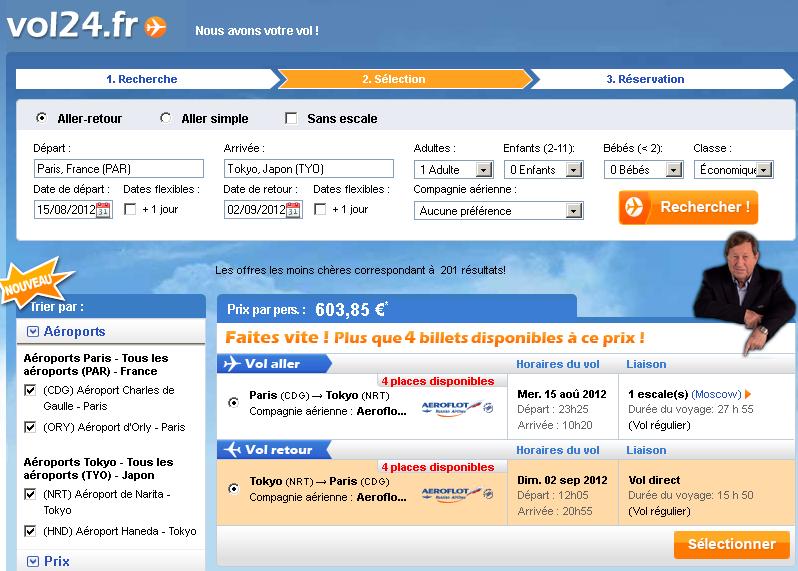
I mainly look at several flight comparison sites. This gives me a good idea of the price; to get a better price you have to do it case by case and compare the different offers from the sites. I managed to get fairly honest prices for the high season.
Did you know?
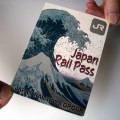
The 7-day JR Pass costs 50,000 ¥ since October 2023 (compared to 29,700 ¥ before). It remains cost-effective if you do at least Tokyo-Kyoto-Hiroshima round trip. If you only stay in Tokyo, buy single tickets: it’s cheaper.
I much prefer to make a stopover in another country even if it is more tiring to discover another country. If you want a cheap plane ticket, you have to fly with Aeroflot (a Russian airline) and by juggling dates, you can get a ticket 100 euros cheaper (around 600 euros or less). I paid my ticket a little more because I absolutely wanted to make a stopover in Beijing.
My experience
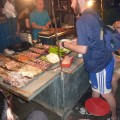
My best value for money in Japan: the “kaiten-zushi” (conveyor belt sushi) chains like Sushiro or Kura. You eat 10 excellent plates for €12. Compared to French restaurants copying the concept at €40, it’s unbeatable.
-
Cheapest mode of transport in Japan
One convenient thing in Japan for foreigners is the J-Rail Pass. There are also other passes, such as the Kansai pass for travel in the Kyoto, Osaka, Kobe, Nara, Himeji region, the Sanyo pass for traveling in the western part of Honshu island, within an area ranging from Osaka to Hakata, in the north of Kyushu island, the Kyushu pass to travel across the entire Kyushu island, the Hokkaido pass to travel across the northernmost island of Japan).
The J-Rail pass is a 1, 2, or 3-week package to use the JR (Japan Railways) network; you can also use it to take train lines in Tokyo, since it is a very large city. By taking this pass, you can make unlimited trips throughout Japan. If you use the train service, you do not need to buy train tickets; however, you must purchase it before arriving in Japan and you will pick it up at an authorized point—see the J-Rail pass purchase website or at the airport upon arrival—but you cannot buy it on site. It offers very competitive prices; for example, if you take a round trip Tokyo – Kyoto and a short trip, you have already made it worthwhile.
Advantages
- JR Pass very advantageous for long itineraries
- Clean and cheap capsule hotels
- Konbinis for quick meals
- Perfect public transportation
- Total safety
Disadvantages
- Paris-Tokyo flight expensive (€700+)
- Standard hotels expensive in high season
- Dining out at traditional restaurants gets expensive quickly
- Limited public Wi-Fi
- Volatile yen over 5 years
-
What to do in Japan?
Item Daily cost Money-saving tip Accommodation €40-80 Capsule hotel or hostel Meals €20-40 Konbinis + conveyor belt sushi Local transport €5-10 Day metro pass Intercity trains ~€20/day JR Pass if 3+ cities Visits €10-20 Many free temples
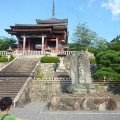
For all information related to Tokyo, I will consult friends who have been advised there and who recommended certain neighborhoods such as Shibuya (the youth district), Shinjuku (a huge district with the atmosphere of Tokyo), Asakusa (district of temples and monuments), or Roppongi (nightlife district very popular with tourists and foreigners).
The classic trap to avoid
The JR Pass is no longer systematically cost-effective since its 2023 price increase. Calculate your itinerary on Hyperdia or Google Maps before buying it: for only 2 cities, single tickets may be cheaper.
Tokyo is quite a huge city, so one could stay there for a very long time. I also consult blogs about Japan, including Aala’s blog (See friends’ blogs), which is very comprehensive. As for other places outside Tokyo, I decided to follow a classic route: Mount Fuji (Fuji-san), Kyoto (for its traditional aspect of Japan and its surroundings), Nara (one of Japan’s historical centers), after spending a long time in Tokyo. I chose this itinerary because these are the places in Japan I want to see.
-
Finding Accommodation in Japan
Along the same lines, the article on what Japan brings provides useful insight. Our feedback on 2 of the cheapest countries also gives good leads, and the guide dedicated to budget and cost nicely completes the picture.
To find accommodation, I rely on the site I always check, namely hostelworld.com. This site is very good because it lists a variety of accommodations with ratings, but I mainly look at youth hostels. Accommodation prices are expensive in Japan. So I prefer to take a youth hostel which costs a bit less. I would also like to try the capsule hotel, which is a hotel where you sleep in capsules that are not too expensive in Japan, an experience to try.
What is the daily budget in Japan?
80 to 100€ for a comfortable stay. 60€ in budget mode (capsule, konbinis), 150€+ for mid to high range.
Is the JR Pass still worth it?
Since 2023, yes if you do Tokyo-Kyoto-Hiroshima or more. For only 1-2 cities, buy single tickets.
How to sleep cheaply in Japan?
Capsule hotels (30-50€), hostels (25-40€), Airbnb in suburbs (45-60€). Avoid high-end ryokans to save money.
- The finishing touch