Korean Cuisine: I Show You
Essential to Remember
Korean gastronomy revolves around 3 pillars: kimchi (fermented cabbage, at every meal), Korean BBQ (table-grill with pork belly samgyeopsal), and bibimbap (bowl of rice + vegetables + beef + egg). Small budget: 8-15€ for an excellent street food meal.
During my visit to South Korea, something particularly struck me in South Korea! I could have told you it was the Korean women, or the temples and Korean culture but that’s not the case! The thing that attracted me the most is Korean cuisine!
  ;Here is Korean cuisine:
I find that Korean cuisine is quite unique in my opinion, because it is mainly based on vegetables! It has many seasonings: garlic, paste, red chili, green onion, soy sauce (like most Asian countries), ginger, and sesame oil!
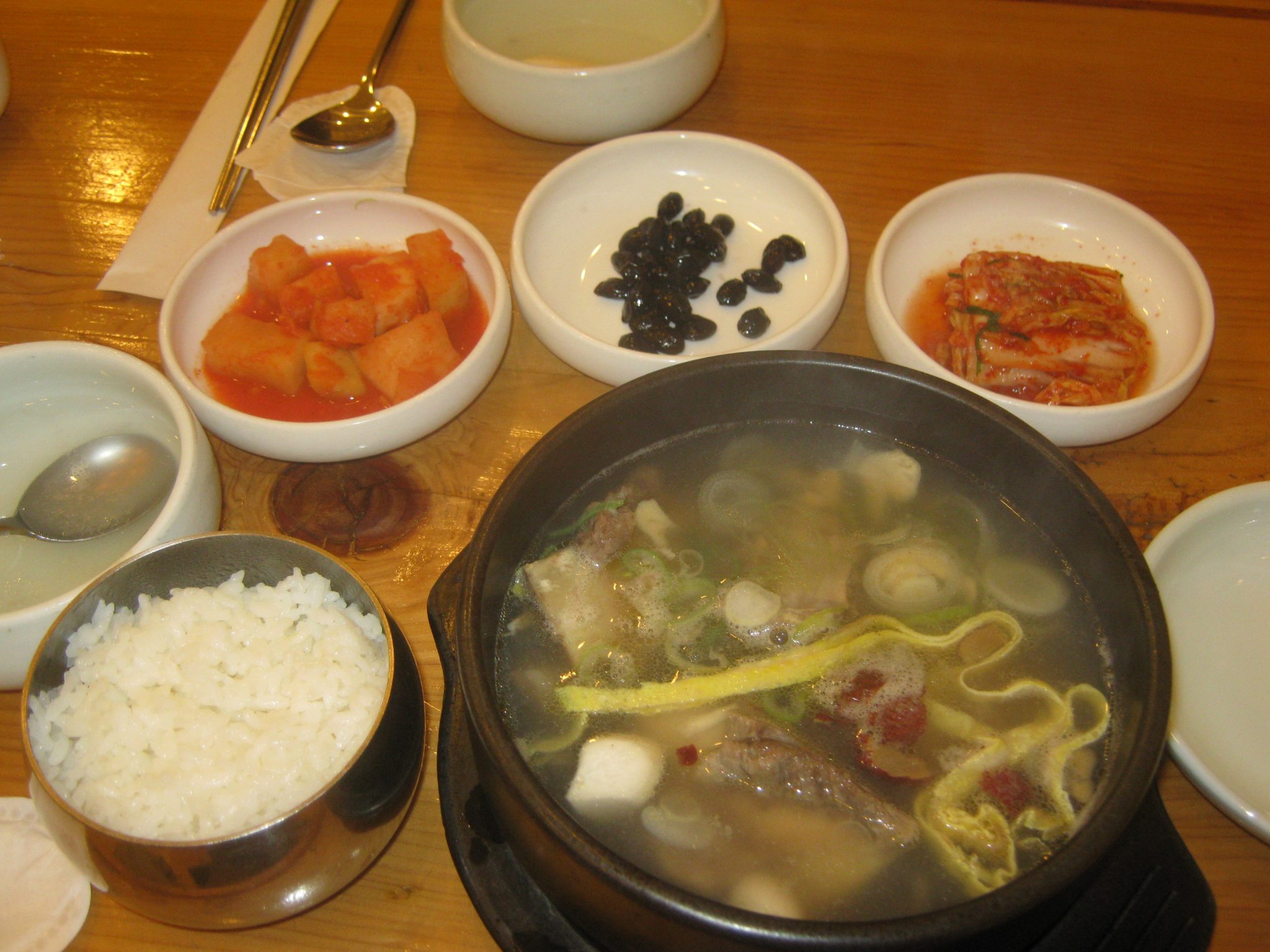
Kimchis are served at practically every Korean meal of Korean cuisine, they come in all types!
Korean meal
Did you know?
There are more than 200 varieties of kimchi in Korea. Each region and each family has its own recipe. Traditional fermentation takes place in autumn, in earthenware jars buried in the ground to maintain a stable temperature.
-
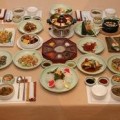
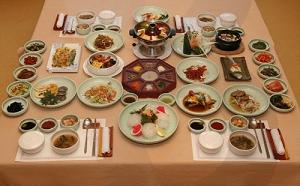
HANJEONGSIK (composed Korean meal)
It is a complete Korean meal composed of several delicious dishes! Normally, the meal starts with a cold appetizer, porridge! Then we continue with a main dish accompanied by seasonings either grilled, boiled, or steamed! The dishes composing Hangjeongsik vary according to the season and region! I remember one of my memorable meals in a Korean restaurant in Seoul.

-
Kimchis
Kimchis are the foundation of Korean cuisine and are a dish made from fermented vegetables that can be preserved for a long time. There are more than 160 varieties of Kimchis, most are rather spicy! They differ according to regions and ingredients used. Kimchis is the basic side dish of every Korean dish! It is also a main ingredient in some popular dishes such as kimchi stew, kimchi pancakes, kimchi noodles, and kimchi fried rice!
Kimchis tend to become known worldwide because of their great nutritional value and their role in preventing certain diseases!
My experience
First Korean BBQ in Seoul, I didn’t touch the food for 5 minutes while waiting for it to cook. The waitress burst out laughing and cooked everything herself. Learn to let them do it at first, they are proud of their method.
Special occasions in Korea !
| Dish | Description | Price |
|---|---|---|
| Bibimbap | Bowl of rice + vegetables + meat + egg | 7-12€ |
| Samgyeopsal | Pork belly BBQ | 15-25€ |
| Bulgogi | Marinated beef | 12-18€ |
| Tteokbokki | Spicy rice cakes | 3-6€ |
| Kimchi jjigae | Kimchi stew | 6-10€ |
-
Lunar New Year
-
First day of the full moon
- The Sambok (the three days marking the hottest period of summer!)
-
Korean dessert
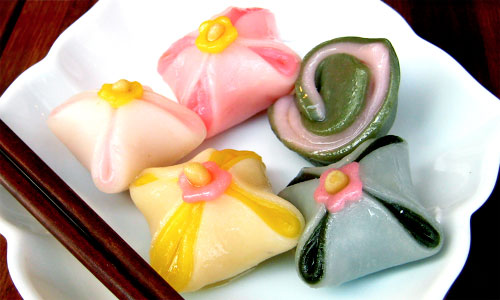
Hangwa (traditional sweets and cakes) : colorful and with pretty patterns, rather sweet
TTEOK (Traditional rice cakes) : traditional cake made from rice powder
Advantages
- Very spicy but varied cuisine
- Affordable prices (8-15€ per meal)
- Many vegetarian dishes
- Ultra-fast service
- Many shared dishes (friendly)
Weak points
- Kimchi very spicy for sensitive palates
- Lots of fatty meat (samgyeopsal)
- Strong soju (20°) that goes down fast
- Little English on menus
- Culinary desert for strict vegans
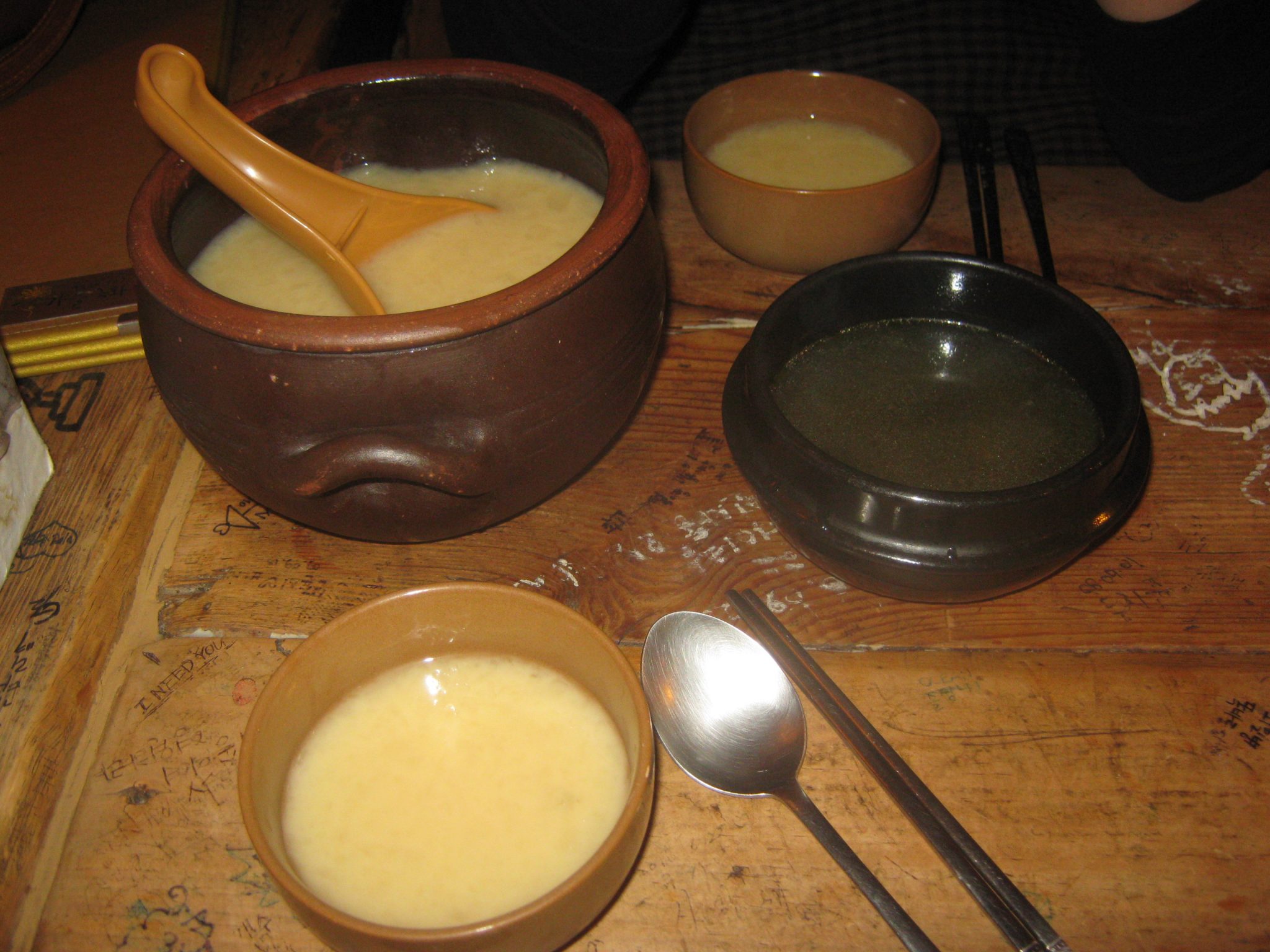
HWACHAE (Traditional cold drink) : made from fruits or grains and water
-
Traditional Korean tea
The classic trap to avoid
Never touch chopsticks stuck vertically in a bowl of rice: this is a gesture reserved for Buddhist funerals and deeply shocking for a Korean. Always place your chopsticks flat on the chopstick rest or on the edge of the bowl.
As you already know, tea helps prevent drowsiness and invigorates the body and mind! Popular teas include insamcha (ginseng tea), noktcha (green tea), yulmulcha (lemon tea), daechucha (jujube tea), seanggangche (cinnamon tea), etc. I recommend tea in Korea.
  ;-
Traditional Korean Liquors and Wines
Traditional alcoholic beverages are mainly made from rice, grains, sweet potatoes, and malted wheat! There are 5 categories: yakju (refined pure fermented rice liquor), soju (distilled liquor), takju (thick unrefined fermented grain liquor), fruit wines, and medicinal wines made from various seeds and roots!
Along the same lines, the article on the capital of provides useful insight. Our feedback on Seoul neighborhoods also offers good leads, and the guide dedicated to food, drinks, and nicely completes the picture.
Street Food in Korea
What is the national Korean dish?
Bibimbap (rice with vegetables and meat) and kimchi (fermented cabbage) are the two most representative dishes.
Is Korean cuisine very spicy?
Many dishes are (kimchi, tteokbokki, kimchi jjigae). But BBQ and bibimbap remain mild. You can ask for “an mae-wuo-yo” (not spicy).
How much does a meal cost in Korea?
5-10€ for street food, 10-20€ at a local restaurant, 30€+ at a high-end BBQ.
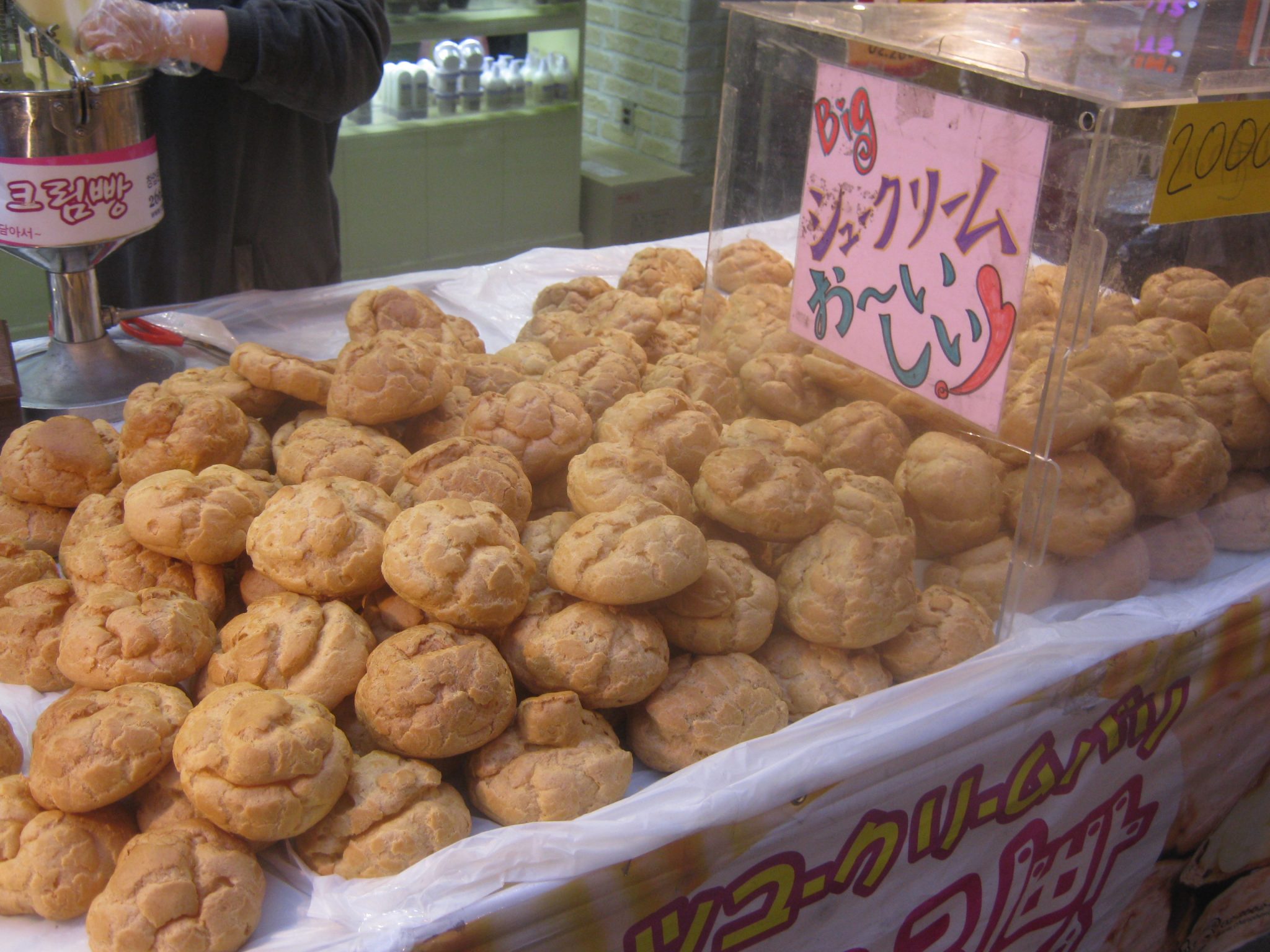
- POJANGMACHA (Tent restaurant), there are various dishes such as spicy rice cakes, sausages, or all kinds of fried foods. Mostly around universities!
- TTEOKBOKKI (Spicy rice cakes), is a variation of a traditional dish (thinly sliced beef mixed with various vegetables seasoned with soy sauce)
- EOMUK (Fish cake skewers), fish cakes made from fish puree mixed with flour and finely chopped vegetables.
 If you liked this article, you will surely enjoy the section on East Asia
Share the article on social networks, Facebook and Twitter!
  ;
If you liked this article, you will surely enjoy the section on East Asia
Share the article on social networks, Facebook and Twitter!
  ;