Tourist offices: Free information!
Essential to remember
To get free travel info in 10 minutes: specialized blogs (Conseil Voyageur, Routard.com), forums (Voyageforum.com, TripAdvisor), social networks (Facebook Groups, Reddit), apps (Maps.me, Google Maps). Always cross-check at least 3 sources.
In the continuation of our section travel advice, I will give you tips on how to get free information!
If you have already read my March report, you know that I will be going to Vienna, Copenhagen, and Stockholm for the 4-day holiday weekends in May!
As part of my travel advice approach, I will show you one of the things I do when I travel abroad!
If you are going abroad, here is how to get free information in 10 minutes!   ; First tip:   ;” TOURIST OFFICE”
  ; Type on Google: Tourist office and the city you want to go to! Click on the first site, go to the “Contact” section.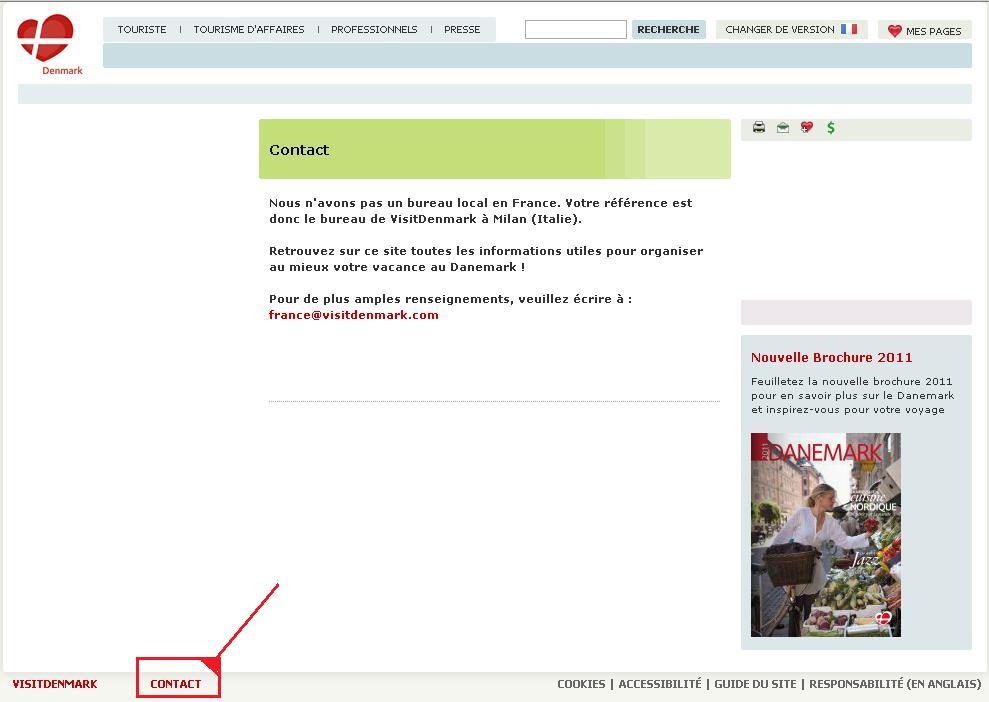
Did you know?
Travel blogs are the primary source of inspiration for 67% of French people according to Statista 2024, ahead of agencies (12%) and family/friends (15%). YouTube is rapidly growing among those under 30.
Now to get the information, send an email to the contact address, write the following message:
” Hello,We have planned a trip to X.
We would like to have some advice and brochures (map, brochure, museum, zoo, activities to do, nature, discovery) and its surroundings (maximum 3 hours by train).
The trip aims to discover this city and get the most memories (nature, photos, outings, evenings, festivals, musical events, nightclubs, etc.)   ; Here is my address: Tanned S XXX XXX XXX Paris Thank you very much! Best regards, ” My reply for Vienna: 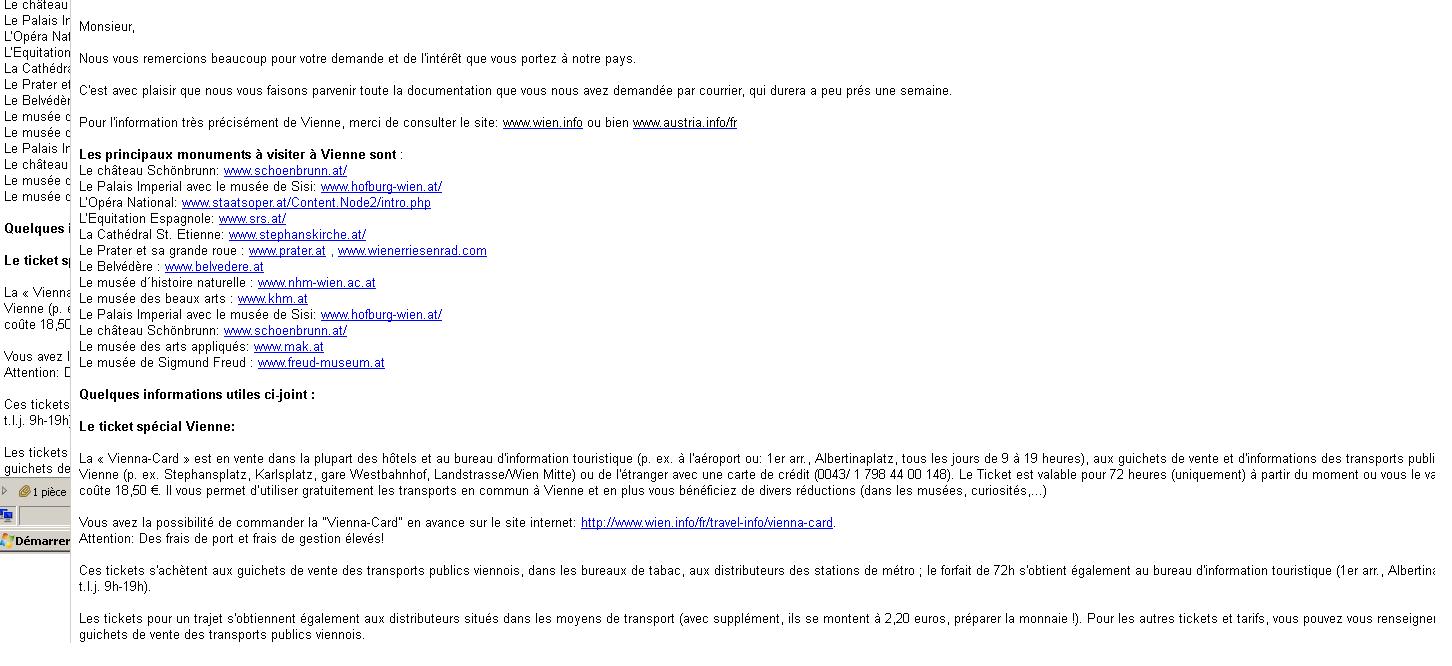
My experience
My reflex: open 5 recent blogs (max 2 years) on the destination, 1 specialized forum, and 1 YouTube video. In 30 minutes, I have a complete overview. Avoid outdated paper guides and overly generic institutional sites.
” France Diplomacy “, travel advice
| Source | Strength |
|---|---|
| Specialized blogs | Stories, personal advice |
| Forums | Tailored answers |
| YouTube | Visuals, atmosphere |
| Honest community | |
| Google Maps | Geolocated reviews |
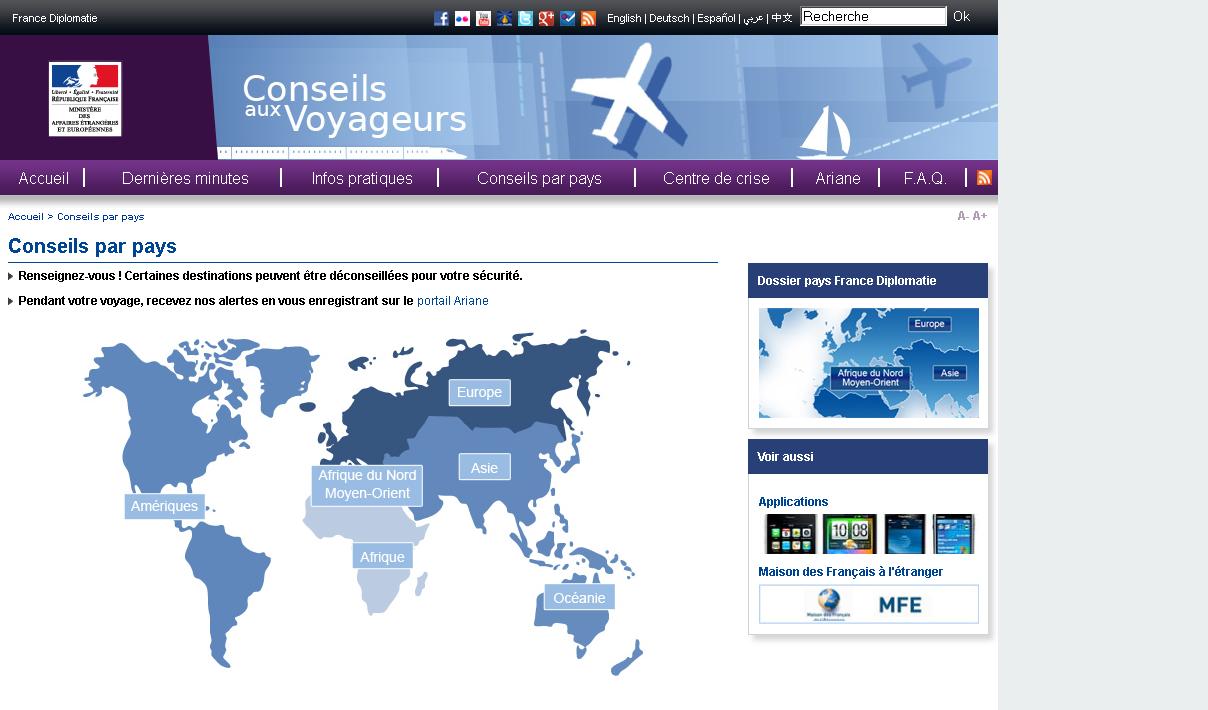
There are no answers, I would even say that this site could serve for frequently asked questions (FAQ).
You learn the basics and what to avoid there.
Advantages
- Free and accessible 24/7
- Quick updates
- Easy cross-referencing of sources
- Authentic testimonials
- Detailed local specifics
Weak points
- Uneven quality depending on sources
- Sometimes sponsored articles (to detect)
- Sometimes false or outdated information
- Subjective opinions
- Risk of drowning in information
Section:
Safety: It talks about the risks we are exposed to and for certain countries, it advises against certain regions.
Transport: it gives the status of railroads, infrastructure, and the airport.
The classic trap to avoid
Beware of “too perfect” reviews on Google Maps or TripAdvisor. Filter by 3-4 star ratings to read balanced feedback. Extreme ratings (1 or 5) are often biased.
Entry/Stay: Info on visas.
Health: potential disease dangers.
Supplements: this is the miscellaneous section.
If you are preparing your departure, take a look at our guide on information on which complements the topic well. The feedback around eco-tourism also provides useful benchmarks to avoid unpleasant surprises. And to go further for inspiration, the article on responsible tourism is worth a detour.
 The site is very comprehensive!
 And you, share your good plans “free information”?
What are the best French travel blogs?
Conseil Voyageur, Le Routard, Une Famille en Vadrouille, Voyageur Indépendant, Mes Voyages au Bout du Monde.
Do you have to pay for good information?
No, 95 % of quality information is free online. Paper guides are a plus, not a necessity.
How to verify the reliability of information?
Cross-check 3 sources, verify the date of the article, look for recent feedback on forums.