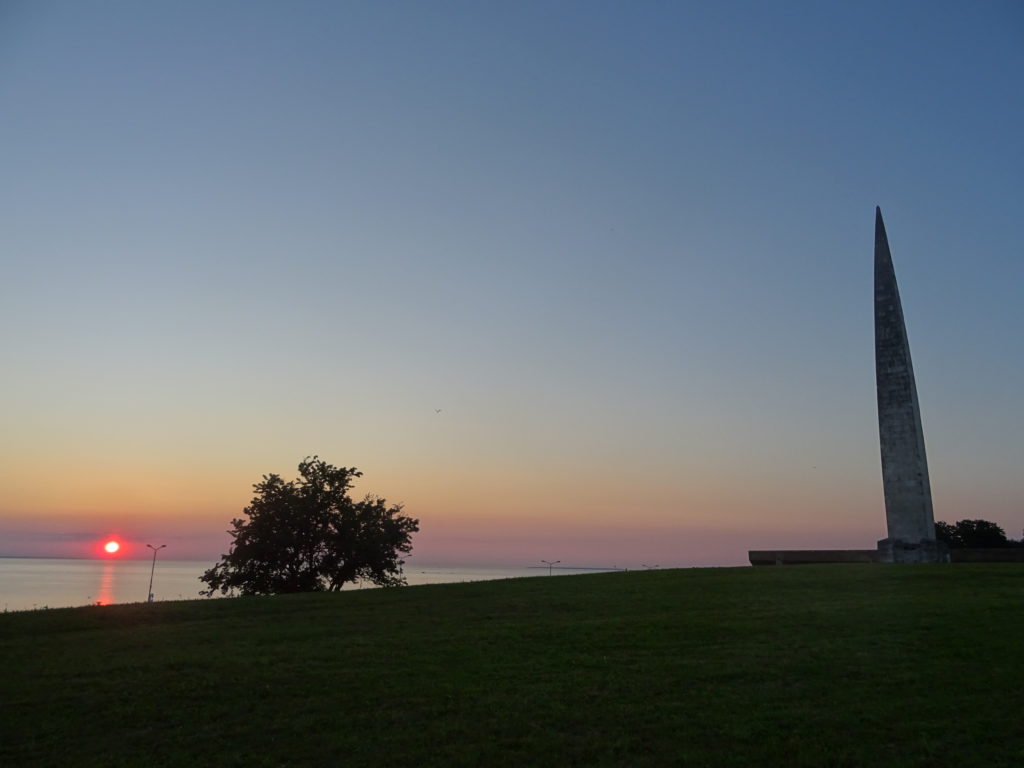
I have been a nomadic traveler since I finished university in 2009. In this article, I will talk to you about my experience abroad and my experience as a digital nomad or web entrepreneur.
Essential to remember
Digital nomadism is practicing your profession 100 % remotely while regularly changing countries. Plan for at least 6 months of preparation: stable income, health insurance, taxation, nomadic equipment. The lifestyle is liberating but requires solid discipline.
Nomadism: my experience and how I became a digital nomad
Nomadism is a way of life where one is constantly traveling or moving around the world. What could be simpler to talk about nomadism and digital nomads than to talk about my own journey! It happened step by step but the experience is there.   ;My nomadic story
-
Australia and Asia in 2009 – 2010
After graduating with a master’s degree, I went to Australia for 15 months where I worked and traveled all around Australia; it was my first major nomadic experience.
I was able to work in about ten different jobs across Australia! After Australia, I discovered Asia for the first time for 4 months, which are my roots, I should specify.
It was my first big trip of 19 months.
Did you know?
The first officially recognized “digital nomad village” is Madeira in Portugal, launched in 2021. The region offers free public wifi, subsidized coworking spaces, and a dedicated nomad visa. More than 5,000 nomads have passed through in 3 years.
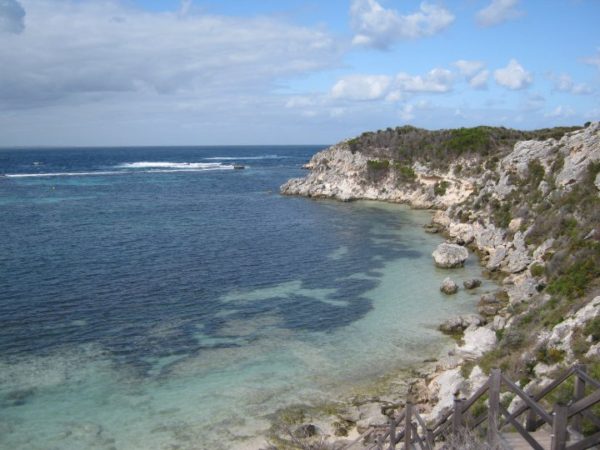
I miss that period when I was traveling and doing odd jobs!
  ;-
About ten trips of less than a month around the world in 3 years in 2011
After 6 months in the web, I had some results in SEO (search engine optimization) with about thirty sites and I managed to generate income that allowed me to free up time at my job and I took one month of unpaid leave per year.
My goal was to leave for a world tour during the year of my 30th birthday.   ;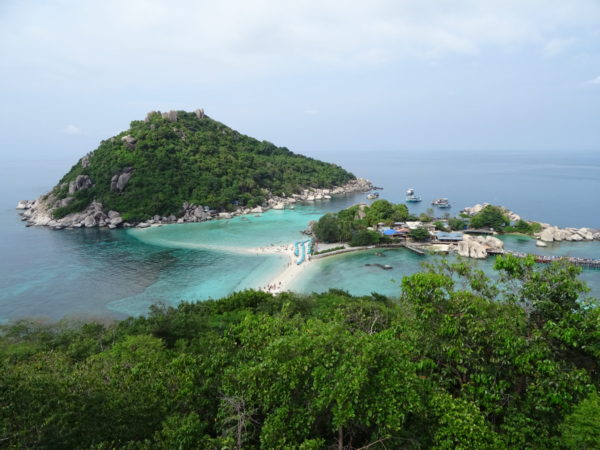
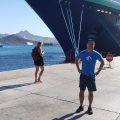
A day excursion between 2 work days.
  ;-
2-year world tour in 2014 – 2015 – 2016
3 years after my return from Australia (May 2014), I negotiated a mutual termination with the company where I worked, which I left in July 2014, and I left on a world tour in September 2014.
My project was to work and travel at the same time; in the end, I traveled much more than I worked because I had saved a lot during those 3 years of work.
| Nomad destination | Monthly budget | Wifi |
|---|---|---|
| Bali (Canggu) | 1,200-1,800€ | Excellent |
| Chiang Mai | 800-1,300€ | Excellent |
| Lisbon | 1,800-2,500€ | Very good |
| Medellín | 1,000-1,500€ | Good |
| Tbilisi | 900-1,400€ | Very good |
I may have worked 5 hours per month for 2 years for several hundred euros per month.
That was my first failure as a digital nomad.
  ;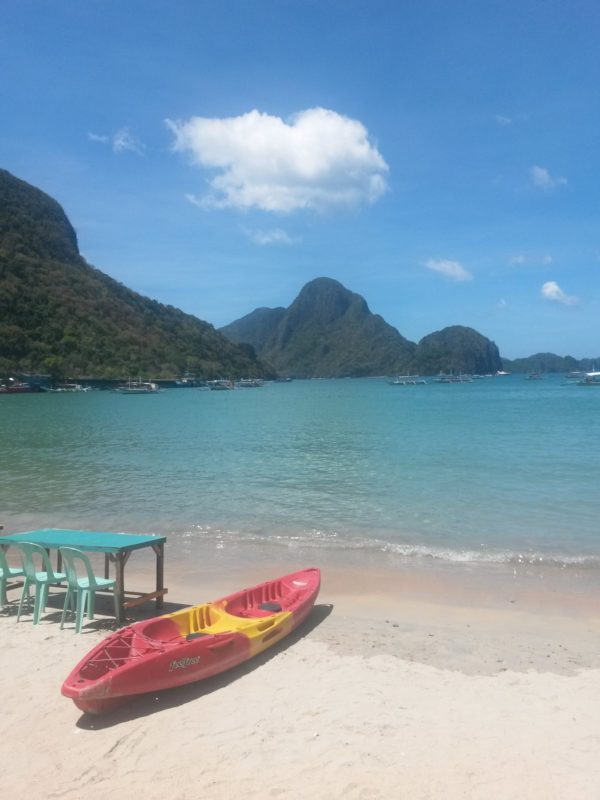
The internet connection in the Philippines was not very good
  ;-
Return to Paris for one year to find a digital and nomadic activity in July 2016
The reason I didn’t work during my world tour was that my SEO activity was not a long-term strategy.
During this year in Paris, I decided to start creating websites and monetizing the traffic of these sites through advertising and affiliate networks.
It took a little over a year before things ran smoothly, with a rather difficult start, but thanks to my mutual termination agreement, I was able to benefit from employment return assistance during these difficult times. However, this was part of my plan when I left my job in 2014: to develop a sustainable internet activity (medium term 3 – 5 years) after my return from travel.
During this period, I only traveled for 2 months.
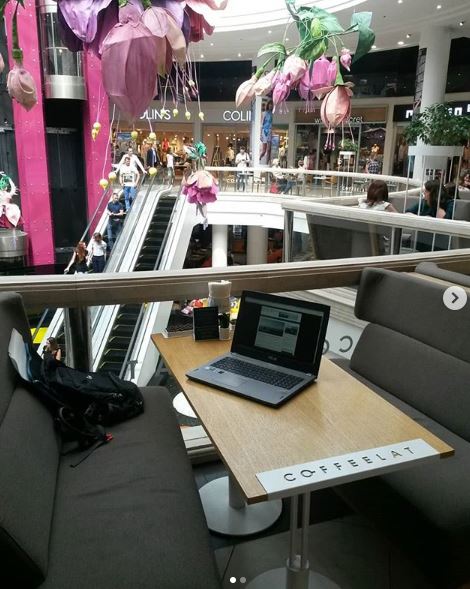
My office for the afternoon!
  ;-
Digital nomad since late 2017
Since early 2018, I have been a full-time digital nomad abroad. I just spent 3 months in Asia and then I will spend the rest of the time in Europe, especially in Eastern countries. I recently wrote a article about the Baltic countries.
My experience
My beginner’s mistake: changing countries every 10 days for 6 months. Result: exhaustion, decreased productivity, inflated expenses. Today I stay 1 to 3 months per destination: a much more sustainable pace, preserved productivity, and better cultural immersion.
In my free time, I visit the cities where I am, I learn Russian, and I do sports; it’s a fairly busy schedule.
  ;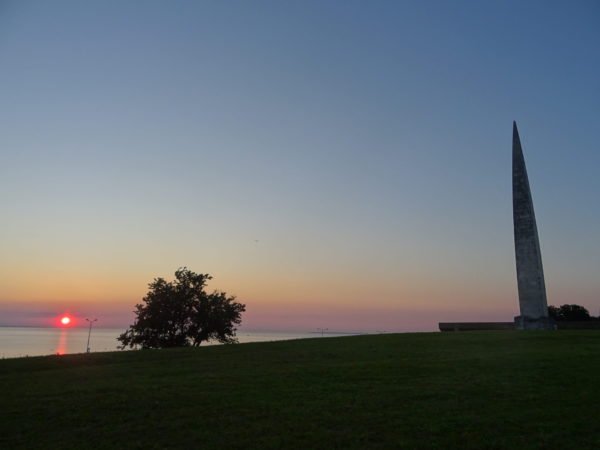
I enjoyed sunsets more than anything else after the workday
  ; Here is a summary of my 5 years of travel and almost 9 years of intermittent nomadism.   ;What to remember about my nomadism:
My “digital nomad” project took shape over time and was not done overnight, so take the time to think and change little by little.
I took a lot of time to prepare my project unless you stand out, refine before launching. If you can’t do it during your free time on weekends for example, then doing it full-time is even more difficult.
I started my digital adventure somewhat by chance and took advantage of the current trends to succeed in my projects; you have to jump on the bandwagon when it is at the station, so you must seize your chance when possible.
Advantages
- Geographical freedom
- Cost of living varies depending on the destination
- Continuous cultural discoveries
- Very active nomad community (Slack, Discord, coworkings)
- Opportunity to test before settling
Weaknesses
- Real loneliness even with the community
- Wifi sometimes unstable
- Complex taxation depending on the country
- Difficulty maintaining stable relationships
- Frequent burnout if pace is too fast
Supply and demand, if you can meet a need at the right time, you have understood the internet completely but it evolves quickly. There are many professions that allow you to skip steps, and become a digital nomad quickly, don’t miss them !
You must be versatile and have several skills. Many saw their activities fail because they did not have enough clients, you need to diversify and wear several hats.
Have several alternatives, many semi-professional bloggers also do web writing or community management or web design, etc.
Create passive income, what I mean by that is that once your activity is finished you generate passive income, for example if you write an e-book, once the work is done, sales are automatic depending on your marketing of course.
Start again on a better footing after a failure and learn from your mistakes.
  ;A post shared by stefan tanned (@digital_nomade_tanned) on
The classic trap to avoid
Don’t change countries every week. “Slow travel” (1-3 months per place) is infinitely more sustainable: you keep your productivity, enjoy the place, and truly meet people. Tourism disguised as nomadism is exhausting.
Additional complementary advice on the digital nomad profession
Take care of your digital life on the internet, I advise you to surround yourself well, get in touch with people who work in the same field and with whom you can exchange ideas, talk about your various projects. In the internet world, there is money everywhere.
Have a mentor who has had a view on your projects and who can advise you if needed. This is someone who has a bit more experience than you.
Stay informed and keep up with technology, it only takes a change in Google’s algorithms to break your projects and a software tool to make your life easier. Information on the internet is life.
Be curious and improve, look at what the competition is doing and study what he or she does and what you can improve. Participate in working groups, in networking gatherings to build a network or make yourself known. Be active, you can’t be 100% all the time but when you have a project at the end, the motivation is there; if you go in all directions you will lose your energy more.Know where you are going, it’s easier said than done but if you hesitate along the way, you can always correct the course or make adjustments, it can’t be perfect right away.
Some additional resources if the subject interests you: nomad cruise here to lay the foundations, my nomadic destinations for practical aspects, and most beautiful destinations to go further.
Keep your feet on the ground, the life of a digital nomad is made of ups and downs, you may have 6 months of highs and glory, then everything collapses! Not everything is always simple and stay yourself, it can’t always work indefinitely especially in the web world.
That is why you need to renew yourself and/or have reserves whether in terms of projects, money, or your time.
Be patient, results come if you do quality work.Think differently, maybe nomadism is not for you but maybe working from home can be a good start, consider teleworking, it can be a good first solution to then fly on your own wings.
Have in-demand skills for freelance work. If it is geographical freedom you are looking for then improve your skills.   ;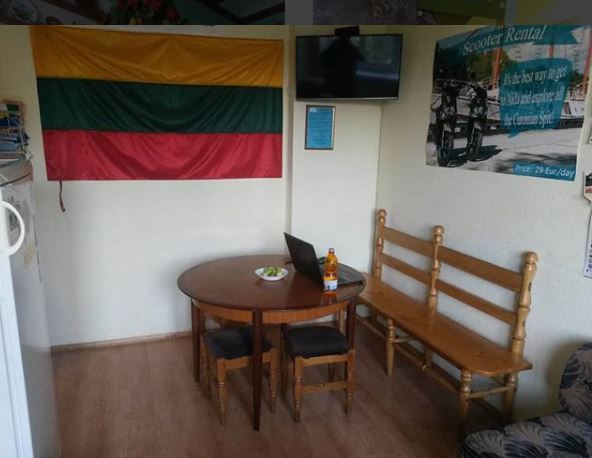
My office in Lithuania
  ;Now, what do we do?
What is a digital nomad?
A person who works remotely while traveling or regularly changing their place of residence. The most common professions: developer, marketer, copywriter, designer.
Which countries welcome digital nomads?
Portugal, Estonia, Croatia, Greece, Spain offer dedicated visas. In Asia: Thailand (DTV since 2024), Bali (B211A visa), Malaysia.
What budget is needed to live nomadically?
From €800/month in Southeast Asia, €1,500-2,500 in Southern Europe, €3,000+ in Western Europe or USA.
- remote work with a remote job for an already defined company, I know someone who was paid to do internet moderation during certain time slots. He did this for several years. During his free time, he had other different projects on the side.
- freelance work for a company with targeted projects, you can either build a client portfolio before leaving or go on freelance platforms to offer your services.
- creative work for yourself, you can make e-books, trainings, create added value, sell your experience and knowledge, etc.
- seasonal worker, for example, ski instructor or diving instructor.
- temporary work, you do this for a few years to satisfy your travel quest and are ready to work anywhere?