Speak one or more languages fluently thanks to language immersion stays.
Essential to remember
To speak a language fluently: 3-6 months of total immersion (language stay, language school, Erasmus exchange). English in Australia or Canada, Spanish in Mexico or Argentina, German in Berlin. Budget: €1,500-3,000/month depending on destination.
Being able to speak and write several foreign languages is now imperative whether you are a high school student, a university student, or an adult in a professional environment.
Whether for professional, academic reasons or simply out of passion, mastering several foreign languages allows you to open new cultural horizons.
The language stay is the learning method that currently offers the best opportunities for progress.
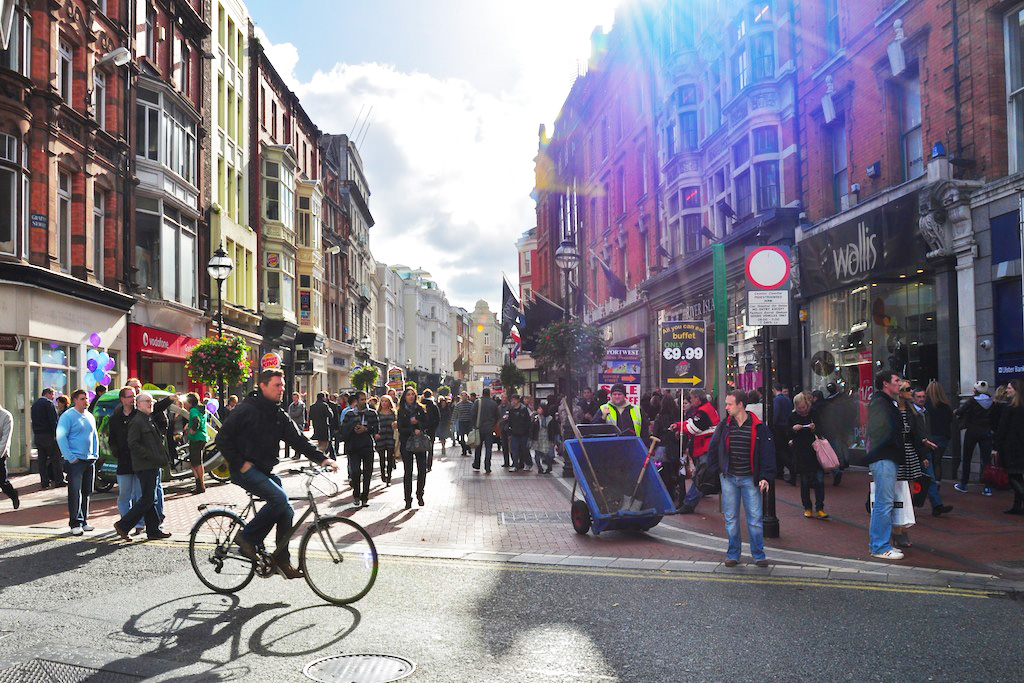
Language immersion.
Did you know?
According to Cambridge English, reaching level B2 (upper intermediate) requires about 600 hours of practice for a beginner. In a language stay with immersion, this equates to 4-5 months on site.
Every seasoned globetrotter knows that their safety and the smooth running of their stays also depend on their ability to be understood by locals and therefore to master the language.
Language immersion allows you to learn a language by living immersed in the life and daily routine of a country.
In addition to this cultural experience, language courses are offered during language trips to review or learn important grammatical concepts and improve pronunciation to be understood more easily.
For example, during a language stay in England you could attend English classes with British teachers, which can be beneficial for comprehension and to assimilate the accent.
My experience
My English from B2 → C1 was achieved in 6 months of WHV in Australia. The rule: zero French in the daily environment (work, hotel, friends). Forcing the brain to operate in constant English makes all the difference.
One of the biggest advantages of language immersion is being able to apply grammatical concepts and vocabulary learned during classes in everyday situations. Classes generally take place in the morning with free time in the afternoon for cultural and tourist activities.
| Language | Destination | Monthly Budget |
|---|---|---|
| English | Australia, Canada | €2,000-3,000 |
| Spanish | Mexico, Argentina | €1,200-1,800 |
| German | Berlin, Vienna | €1,500-2,200 |
| Italian | Florence, Rome | €1,800-2,500 |
| Japanese | Tokyo | €2,500-3,500 |
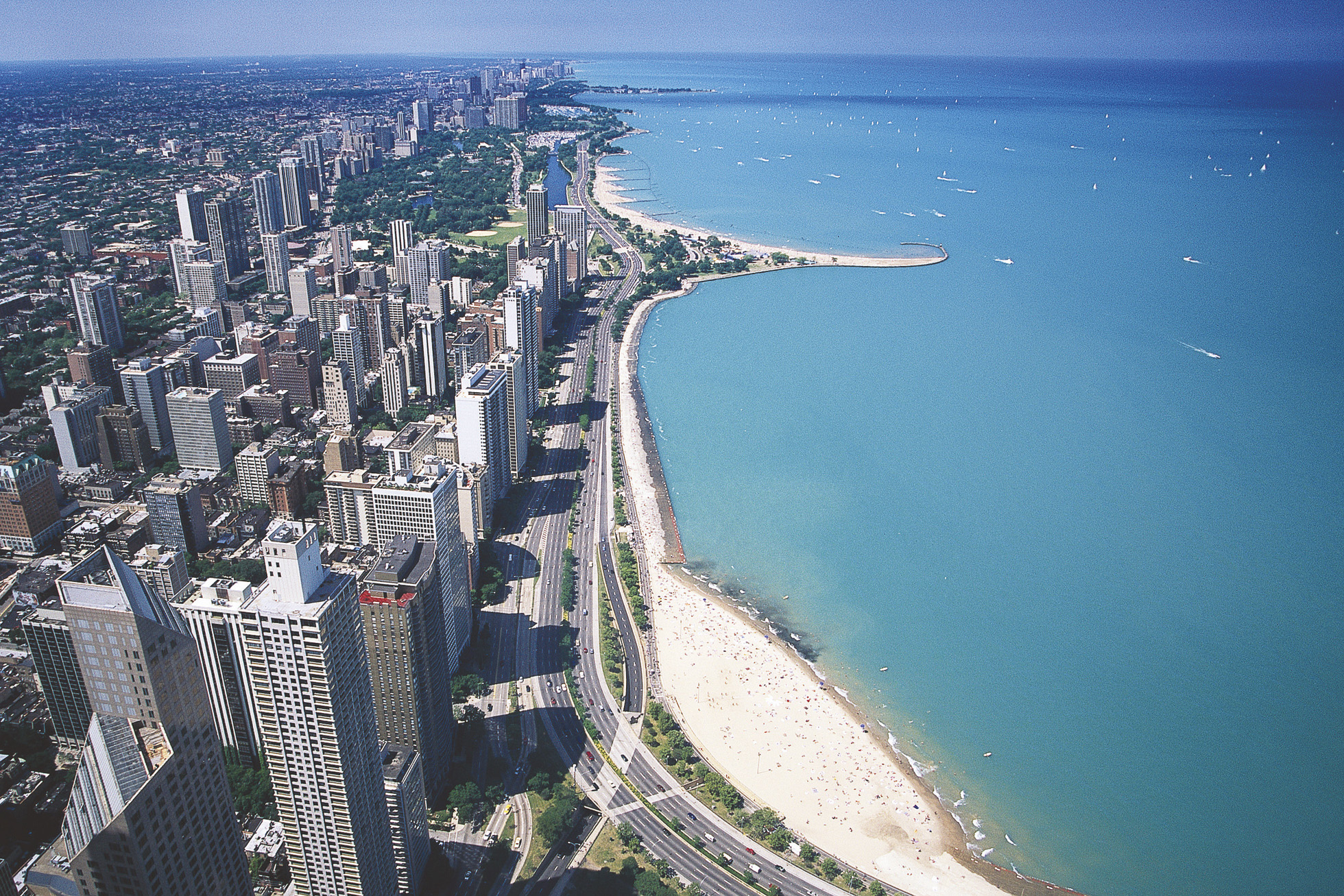
Cultural immersion.
Advantages
- Total immersion = rapid progress
- Recognized diploma (TOEIC, TOEFL)
- International network
- Cultural discovery
- Resume that stands out
Weak points
- High cost (€1,500-3,000/month)
- Initial adaptation difficult
- Risk of staying only among French speakers
- Accommodation sometimes complicated
- Tutoring sometimes expensive
The ideal accommodation during a language stay is with a host family; indeed, living under the same roof as someone who does not speak your language and with whom you must share your daily life and interact to meet even your most basic needs is very beneficial.
There is a huge difference between learning a language in an environment where it is not practiced and living the language daily by putting aside your mother tongue.
Motivation is an important element for progressing in a language, and the choice of destination should also be made based on the interest you have in it.
The classic trap to avoid
Avoid language schools that place you in classes with only French people: you will progress three times slower. Ask for the nationality breakdown before booking.
For example, a language stay in the USA means discovering a culture that shines worldwide, and to better understand its subtleties, it is important to live as much as possible like an American and seek contact with locals to practice.

A foreign language is not learned from books; even though mastering grammar is essential, it is above all important to understand your interlocutors to be able to make yourself understood. This understanding will be easier if you are able to take into account the culture, the nuances, and the tones used by your interlocutors.
If you are preparing to leave, take a look at our guide on speaking English and languages which complements this topic well. The feedback around I earned €1177/month also provides useful benchmarks to avoid unpleasant surprises. And for further inspiration, the article on taking a stay is worth a look.
The key to success, as with many things, is motivation. By trying to mingle as much as possible with the local population and avoiding French speakers, you will put all the odds on your side to succeed.
It is important to overcome your shyness and use the curiosity of the locals towards you to practice the language and maybe make friends who will surely invite you to come back one day. Moreover, with new technologies, it is possible to communicate easily and maintain your knowledge by communicating online.
How long to speak fluently?
3-6 months of intense immersion to go from A2 to B2/C1. At least 1 year to reach C1+.
Which country to learn English?
Australia or Canada for a city/nature mix. United Kingdom for the British accent. Malta for the budget.
How much does a language stay cost?
€1,500-3,000/month all inclusive. Cheaper in Latin America, more expensive in Northern Europe.